


嫦娥七号国际月球天文台相机(ILO-C)的观测任务与科学定标
doi: 10.11728/cjss2026.02.2025-0158 cstr: 32142.14.cjss.2025-0158
-
 薛随建 男, 1964年9月出生, 现为中国科学院国家天文台研究员, 主要从事活动星系、星系团多波段观测及天文设备发展国际合作研究. E-mail: xue@nao.cas.cn
作者简介:
Observation Mission and Scientific Calibration of the International Lunar Observatory Camera (ILO-C) on Chang’E-7
-
摘要: 月球具有稀薄的外逸层、无大气湍流干扰以及稳定的表面环境, 为天文学观测, 尤其是在可见光和紫外波段, 提供了独特而优越的平台条件. 这些特性使得长时间、连续且不受地球大气影响的观测成为可能. 作为嫦娥七号任务的国际合作载荷之一, 国际月球天文台相机(ILO-C)项目旨在充分利用月球观测环境的优势, 从独特的月基视角深化对银河系及更广阔宇宙空间的观测与认知, 同时在天文科学素质教育方面发挥示范作用, 并为未来月基天文观测台相关技术提供在轨验证. ILO-C 相机将安装于嫦娥七号着陆器的+y舱板上, 随任务经历飞行、绕月和着陆等不同阶段. 针对上述任务阶段, 本文系统探讨了相机在轨科学定标方案的设计与实施, 重点包括基础定标、色度定标和流量定标等关键环节, 并给出可用于交叉检验的观测与标定路径. 项目最终科学产出的质量, 在很大程度上依赖于对科学定标策略的合理规划与有效执行. 理想情况下, 期望实现任务飞行阶段的在轨开机观测, 以覆盖更大范围的观测天区, 并与其他空间及地面天文观测项目开展交叉比对与验证.Abstract: The Moon provides a unique and advantageous platform for astronomical observations, particularly in the visible and ultraviolet wavelength ranges, owing to its extremely tenuous exosphere, the absence of atmospheric turbulence, and a stable surface environment. These characteristics enable long-duration, continuous observations free from atmospheric interference. As one of the international payloads aboard the Chang’E-7 mission, the International Lunar Observatory Camera (ILO-C) project aims to exploit these advantages to observe the Milky Way and the broader universe from a distinctive lunar perspective. In addition to its scientific objectives, the project offers unique value for astronomy education and serves as a technology demonstration for future lunar-based astronomical observatories. The ILO-C camera will be mounted on the +y panel of the Chang’E-7 lander and will experience multiple mission phases, including cruise, lunar orbit, and surface operations. This paper systematically investigates the scientific calibration workflow for the ILO-C across these mission phases, with particular emphasis on fundamental calibration, color calibration, and flux calibration, and further presents observational and calibration pathways for cross-validation. The quality of the project’s scientific output will largely depend on the optimized implementation of these calibration schemes. Ideally, in-flight activation and observations are expected to be achieved, allowing coverage of a broader sky area and enabling cross-comparison with observations from other space-based and ground-based astronomical facilities.
-
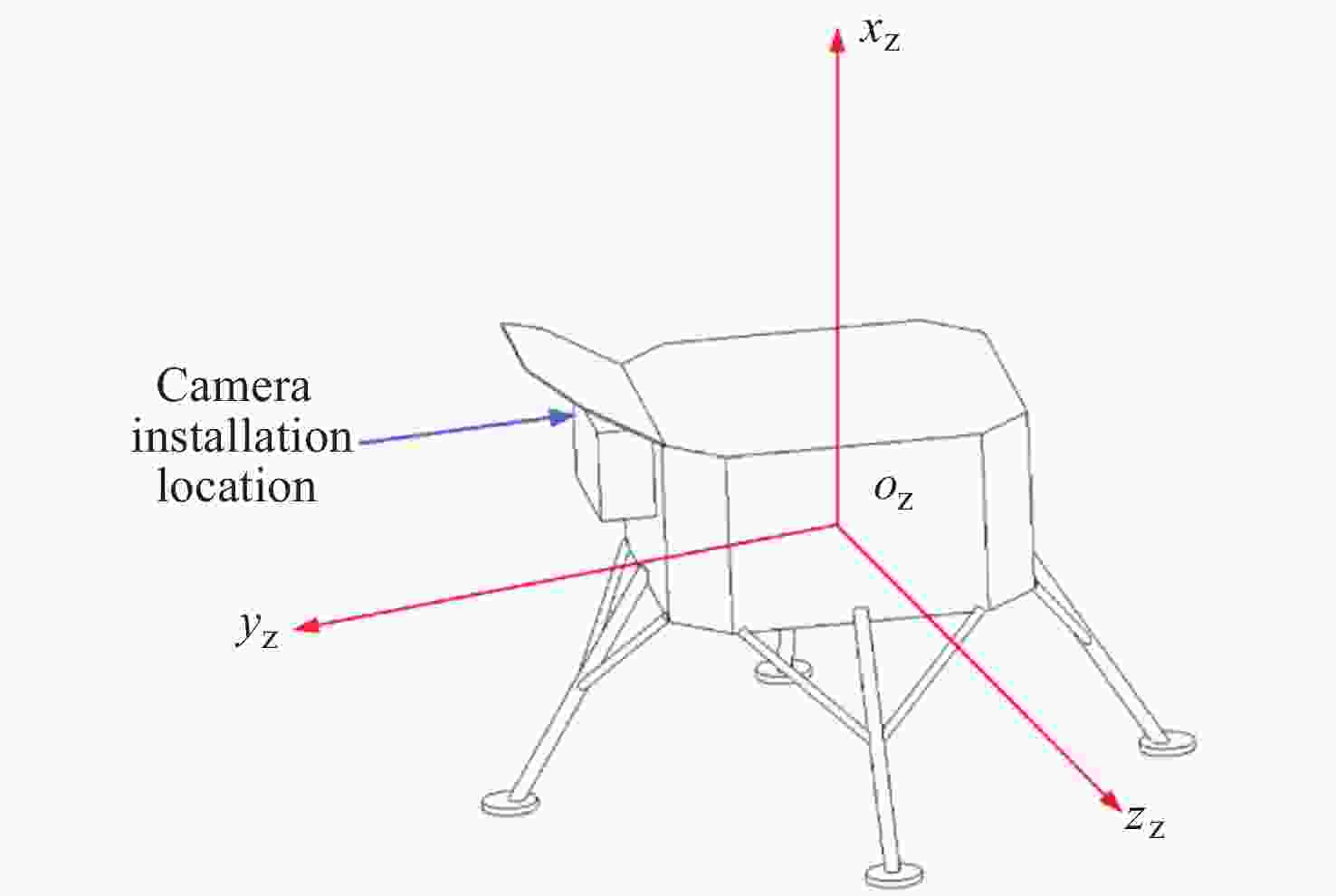
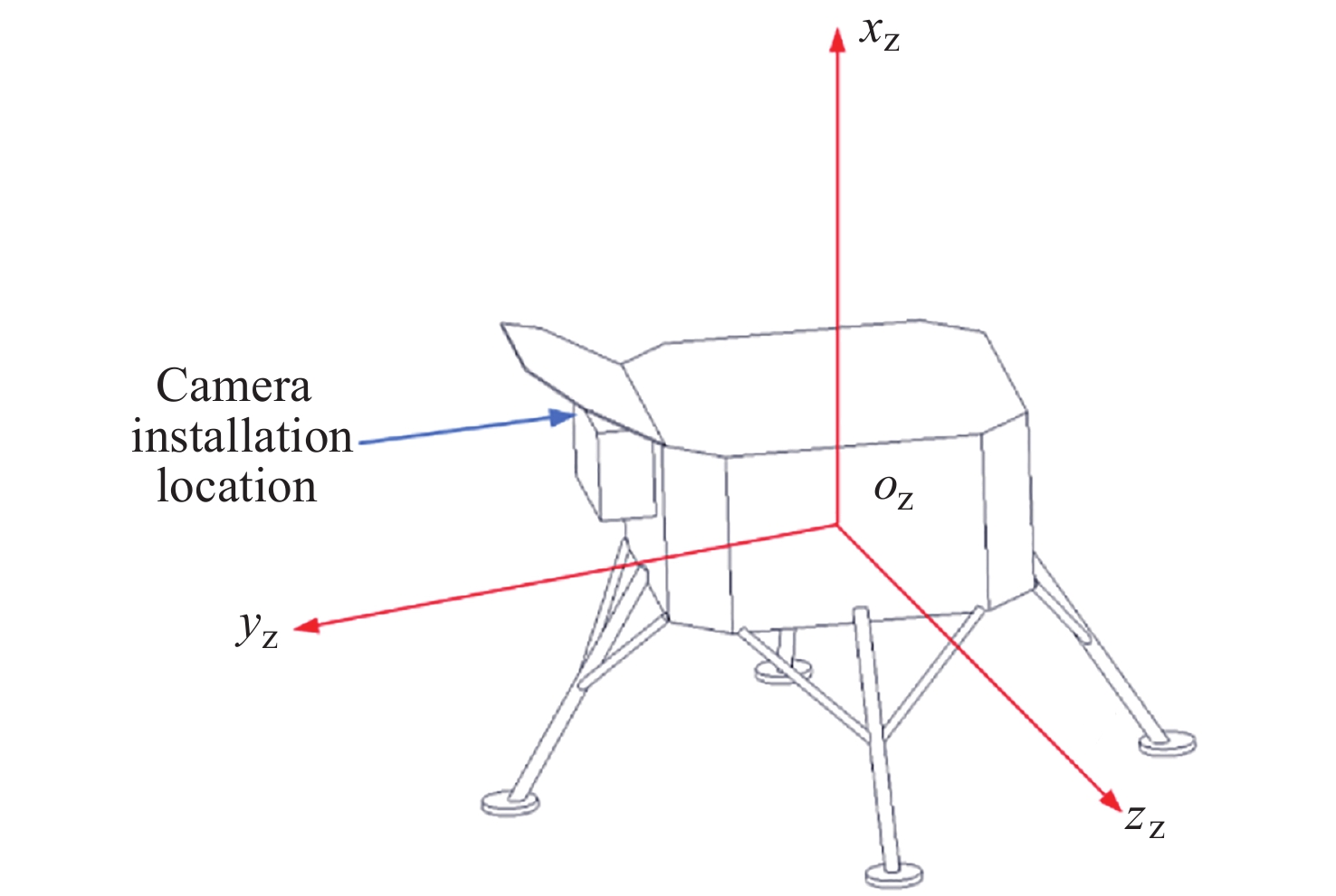
图 1 ILO-C在着陆器外舱面的安装位置
Figure 1. Location of ILO-C installation on the outer surface of the lander
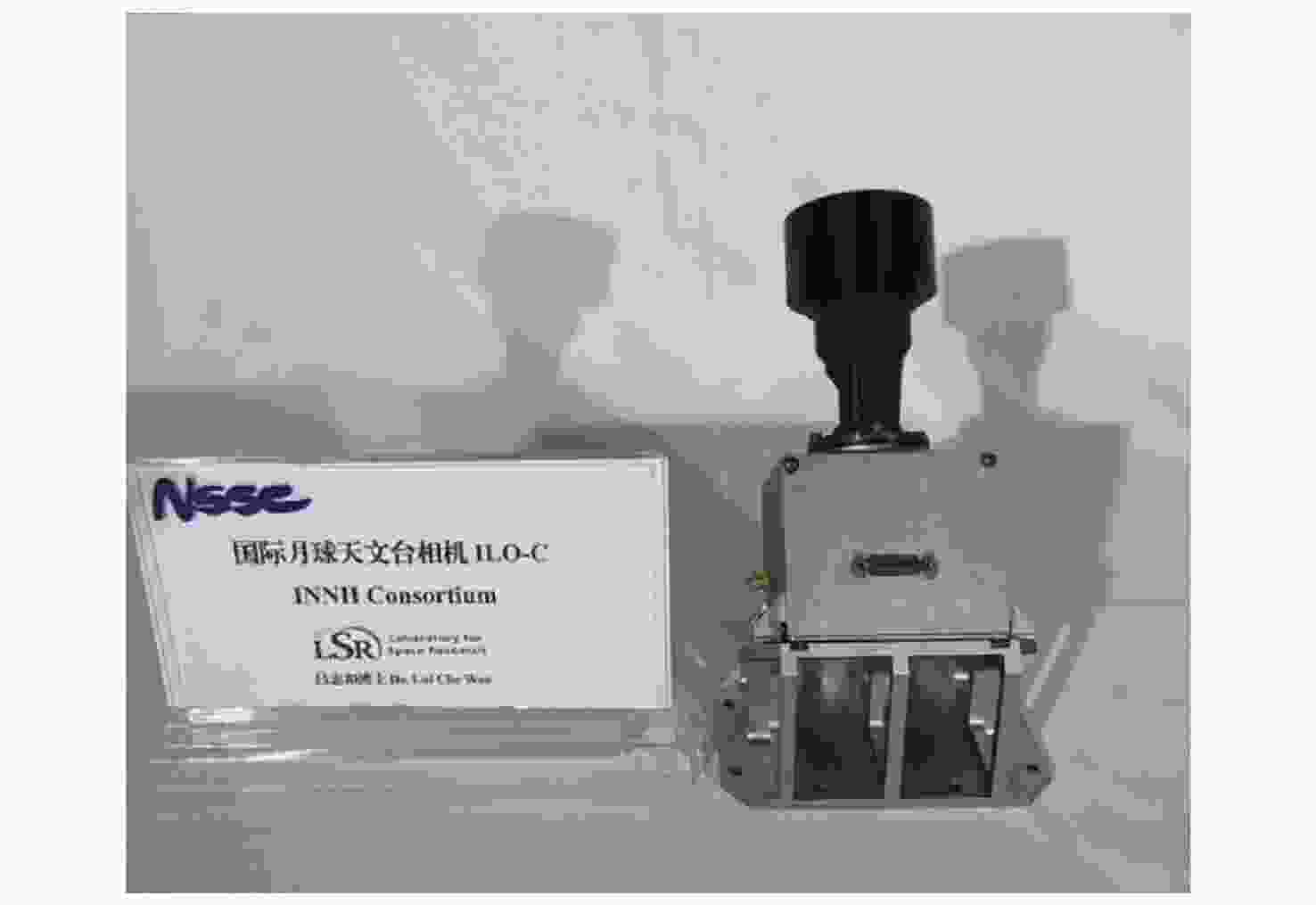
图 2 2025年6月交付的ILO-C相机飞行正样
Figure 2. ILO-C flight qualification model delivered in June 2025
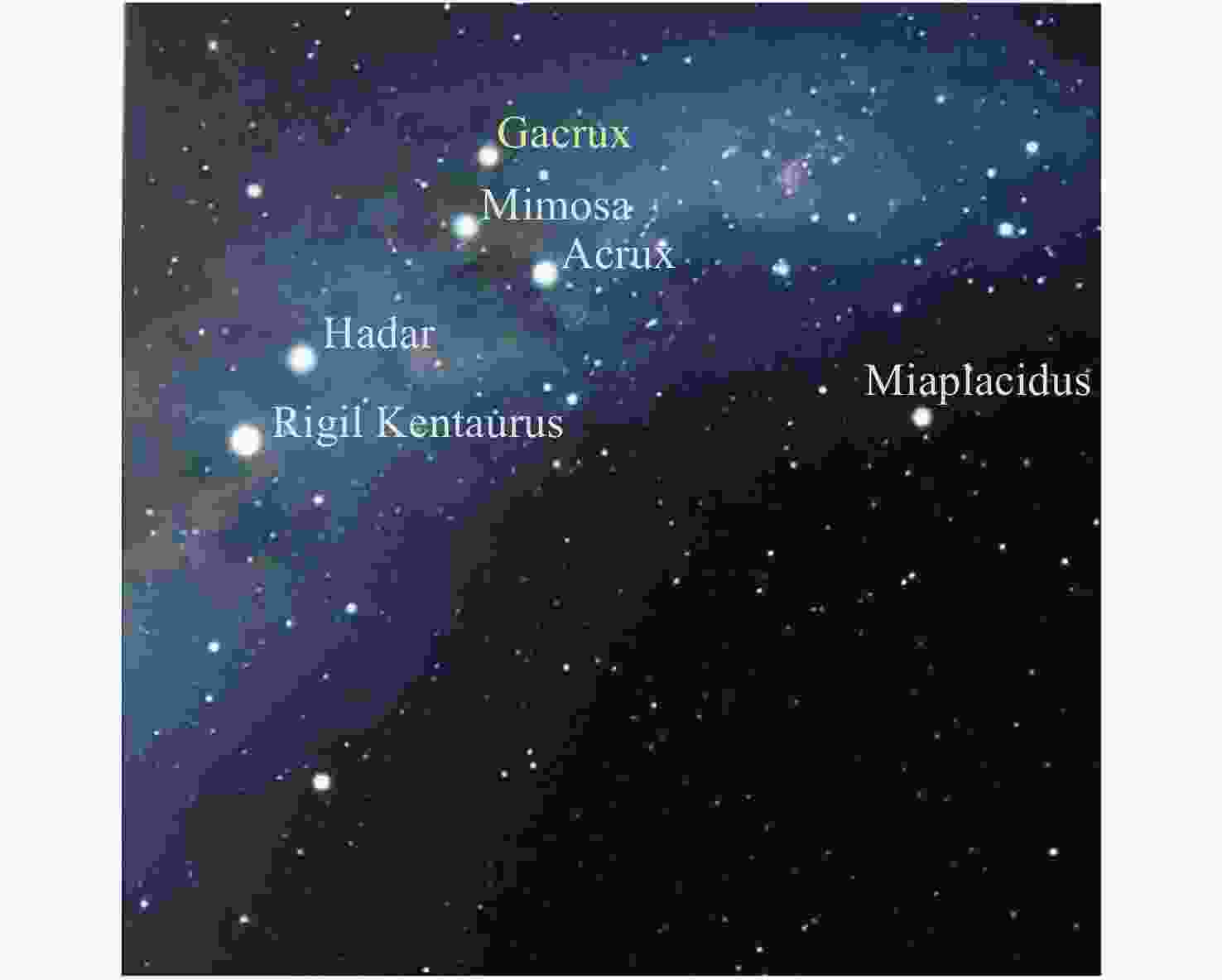
图 4 2026年11月1日至12月31日ILO-C着陆后的局部模拟观测结果
Figure 4. Partial simulated observations after ILO-C landing from 1 November 2026 to 31 December 2026
表 1 ILO-C关键技术指标
Table 1. ILO-C key technical indicators
序号 指标名称 指标要求 说明 1 光谱范围 可见光彩色 能够对天体的自然本色进行详细成像 2 视场 (FOV) 宽视场 ≥ 19°×14° 在保持高分辨率的同时允许广阔的天空覆盖 3 有效像素数 ≥ 4096×3000 pixel 确保适合科学分析的高分辨率图像 4 空间分辨率 ≤ 20″ 扩展源和点源提供精细细节 5 灵敏度 能够探测星等 ≥ 10 mv的天体 使其适用于微弱的天文目标 6 信噪比 (SNR) 信号曝光下 ≥ 3 确保可靠的数据质量 7 数位深度 ≥ 10 bit 实现高动态范围成像  下载: 导出CSV
-
[1] KEPLER J. Somnium, Seu Opus Posthumum de Astronomia Lunari[M]. Frankfurt: Sagani Silesiorum, 1634 [2] MENG X M, HAN X H, WEI J Y, et al. NUV star catalog from the lunar-based ultraviolet telescope survey: first release[J]. Research in Astronomy and Astrophysics, 2016, 16(11): 168 doi: 10.1088/1674-4527/16/11/168 [3] LI G C, HU M K, LI W X, et al. A shock flash breaking out of a dusty red supergiant[J]. Nature, 2024, 627(8005): 754-758 doi: 10.1038/s41586-023-06843-6 -
-

 下载:
下载:

计量
- 文章访问数: 1571
- HTML全文浏览量: 652
- PDF下载量: 122
-
被引次数:
0(来源:Crossref)
0(来源:其他)

