


基于子午工程气辉成像观测的中高层大气波动智能识别及关键参数提取
doi: 10.11728/cjss2026.03.2025-0081 cstr: 32142.14.cjss.2025-0081
-
 赖昌 男, 1980年1月出生于四川省内江市, 现为重庆邮电大学电子科学与工程学院教授, 研究生导师, 主要研究方向为中高层大气波动、气辉图像智能识别等. E-mail: laichang@cqupt.edu.cn
 -
 汪鹏超 男, 2002年7月出生于重庆市长寿区, 现为重庆邮电大学电子科学与工程学院硕士研究生, 物理学专业. E-mail: s240601007@stu.cqupt.edu.cn
 -
 李钦增 男, 1982年9月出生于山东省潍坊市, 现为中国科学院国家空间科学中心副研究员, 研究生导师, 主要研究方向为中高层大气动力学、地基和卫星遥感数据反演和分析等. E-mail: qzli@spaceweather.ac.cn
作者简介:
通讯作者:
Intelligent Identification and Key Parameter Extraction of Middle and Upper Atmospheric Disturbances Based on All-sky Airglow Imaging Observations of the Chinese Meridian Project
-
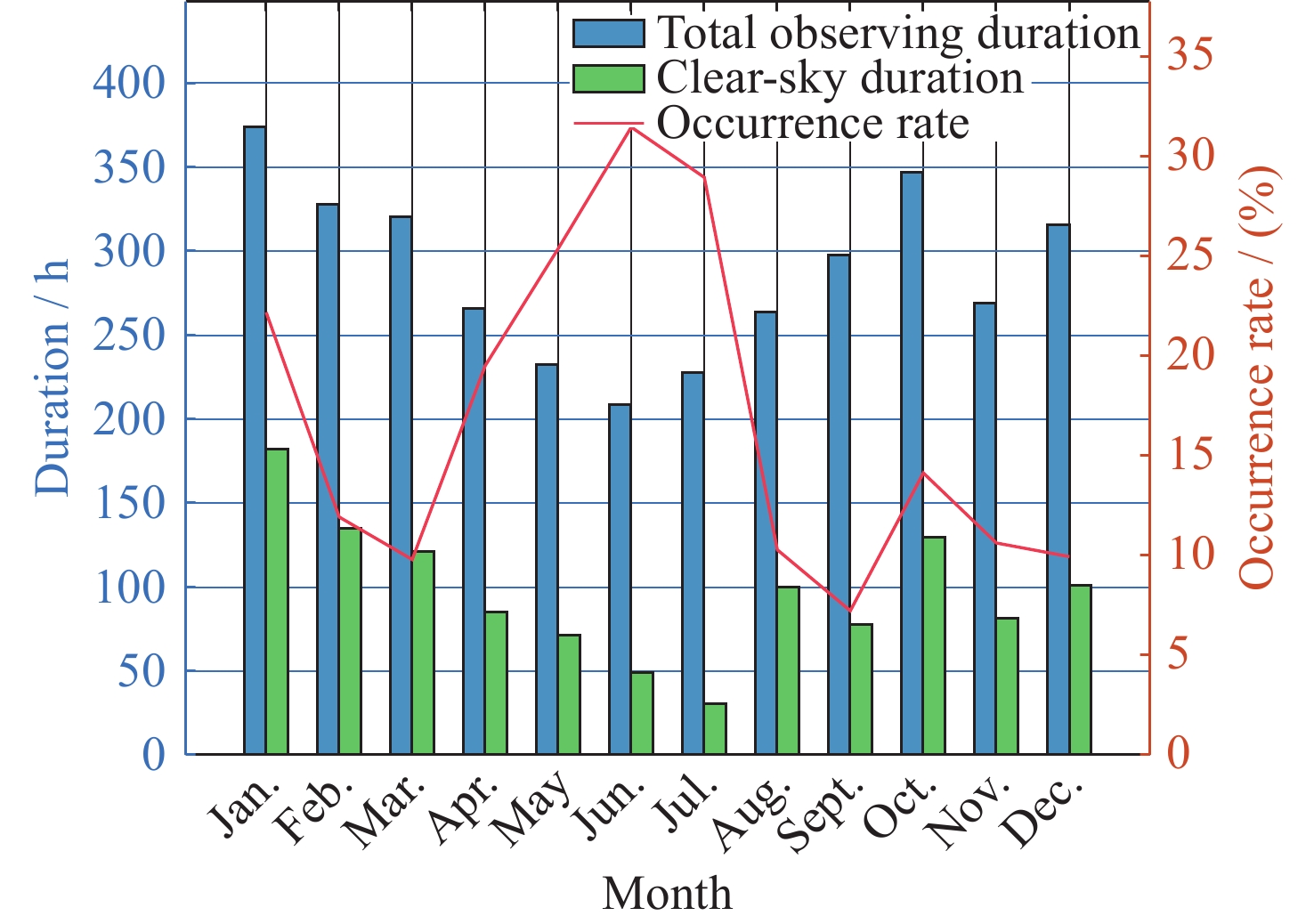
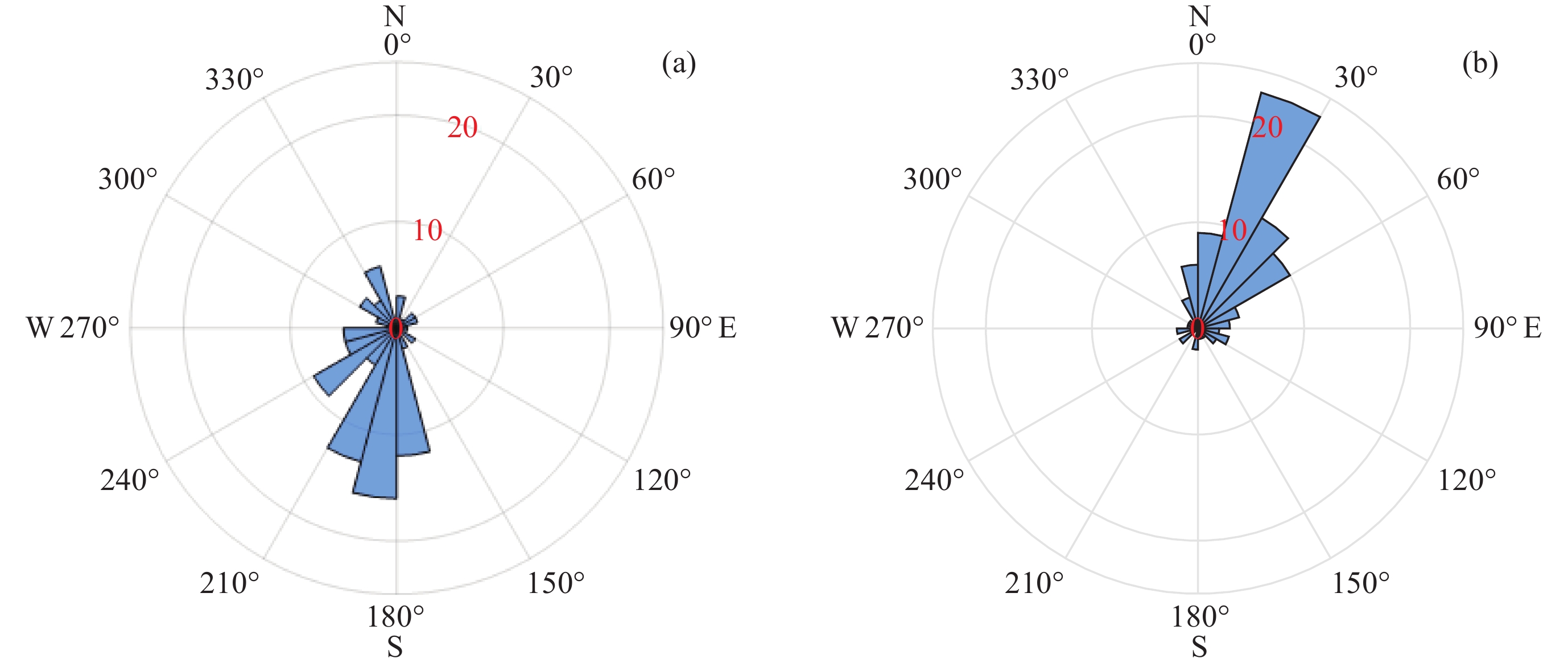
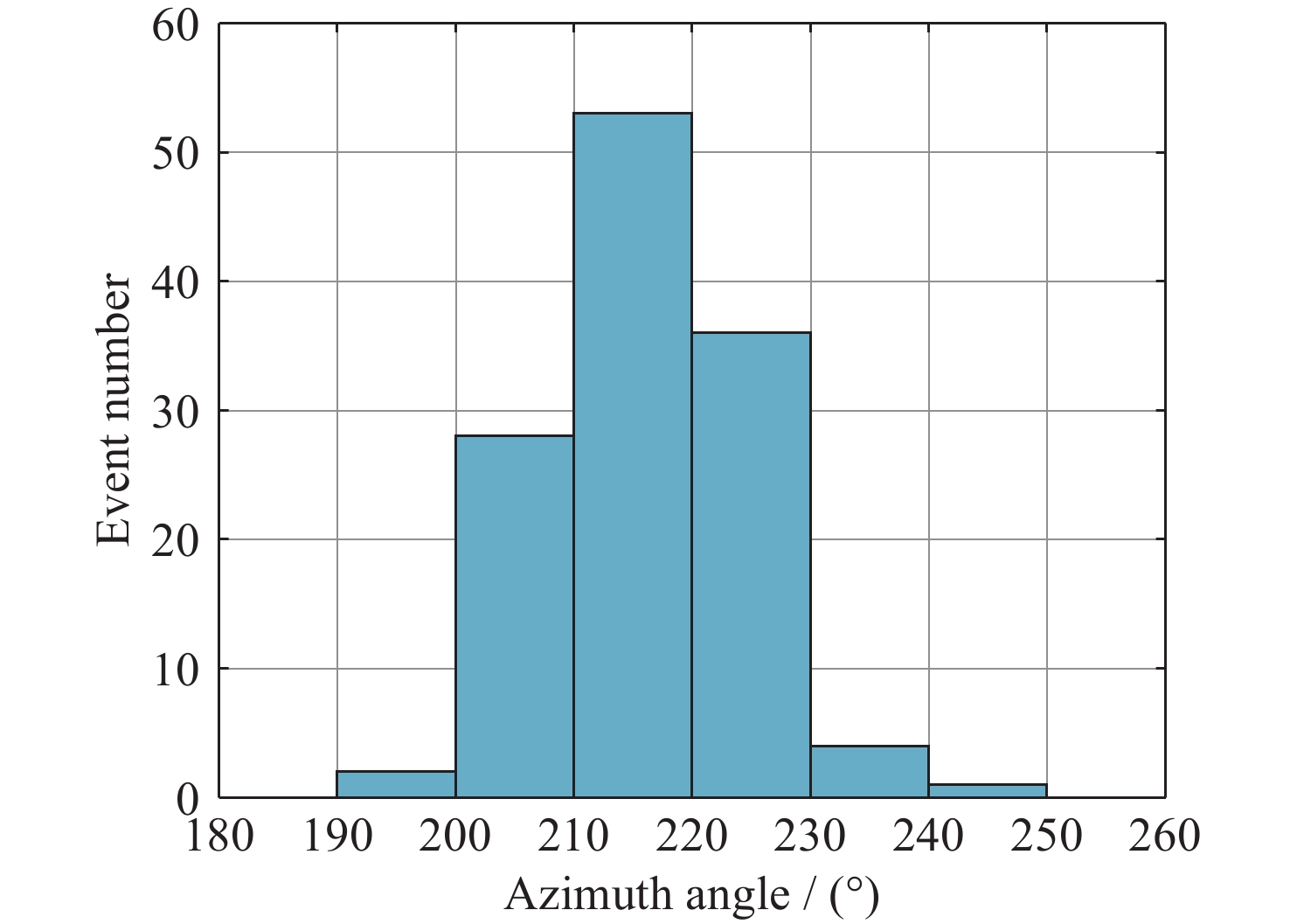
摘要: 针对子午工程海量气辉图像高效处理需求, 研究基于机器学习技术构建了大气重力波与中尺度行进式电离层扰动智能识别及参数提取工具. 通过卷积神经网络分类模型筛选晴朗夜空环境图像, 准确率达99% (OH气辉图像)与96.9% (OI气辉图像); 结合快速区域卷积神经网络定位波动结构, 交并比超过75%. 对大气重力波采用基于二维傅里叶变换的波长、传播方向与水平速度提取方法, 对中尺度行进式电离层扰动采用Canny边缘检测与线性拟合提取波动参数. 根据输出的参数数据集统计了大气波动的长期趋势, 丹东站点(40.0°N, 124.0°E) 通过OH气辉观测到的大气重力波发生率在冬夏两季达到峰值, 呈现明显的双峰分布特征, 传播方向冬夏季分别集中在西南方向和东北方向. 兴隆站点(40.2°N, 117.4°E)通过OI气辉观测到的中尺度行进式电离层扰动事件, 94%的传播方向主要集中分布于西南方向(方位角200°~230°). 这些统计特性与文献中的统计规律一致, 说明基于大气波动参数数据集进行的统计分析是可靠的. 本工具解决了传统人工分析效率低、主观性强的问题, 为大气波动长期统计研究提供了可靠的数据支撑, 数据集已经开源, 程序也即将上网.
-
关键词:
- 大气重力波 /
- 中尺度行进式电离层扰动 /
- 子午工程 /
- 机器学习 /
- 气辉图像
Abstract: To address the demand for efficient processing of massive airglow images in the Meridian Project, this study developed a machine-learning-based method for automatic identification and parameter extraction of Atmospheric Gravity Waves (AGWs) and Medium-Scale Traveling Ionospheric Disturbances (MSTIDs). A Convolutional Neural Network (CNN) classification model was employed to filter clear-night-sky images, achieving accuracies of 99% (OH airglow) and 96.9% (OI airglow). Wave structures were localized using a Fast Region-Based CNN with an Intersection-over-Union (IoU) value exceeding 75%. For AGWs, parameters including wavelength, propagation direction, and horizontal phase velocity were extracted via 2D Fourier transform, while Canny edge detection and linear fitting were applied to MSTIDs. Analysis of the extracted parameter dataset revealed long-term trends of atmospheric waves: At the Dandong station (40.0°N, 124.0°E), OH airglow observations showed a bimodal seasonal distribution of AGW occurrence, with peaks during both winter and summer, with propagation directions being predominantly southwestward in winter and northeastward in summer. At the Xinglong station (40.2°N, 117.4°E), 94% of MSTID events detected via OI airglow exhibited southwestward propagation (azimuths of 200°~230°). These statistical characteristics align with established patterns in the literature, validating the reliability of the dataset. This tool resolves the inefficiency and subjectivity of traditional manual analysis, providing robust data support for long-term atmospheric wave studies. The associated algorithms and datasets will be open-sourced. -
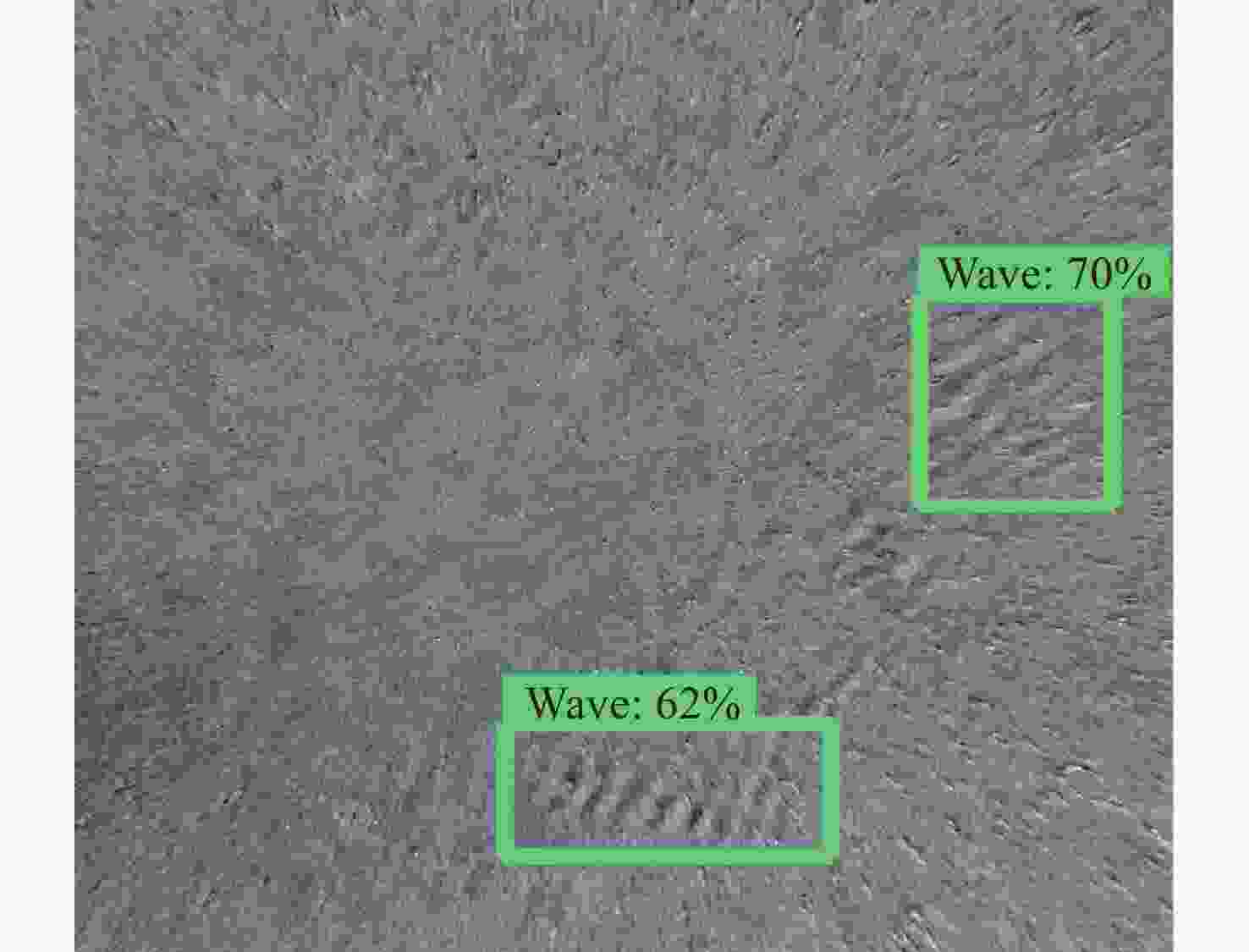
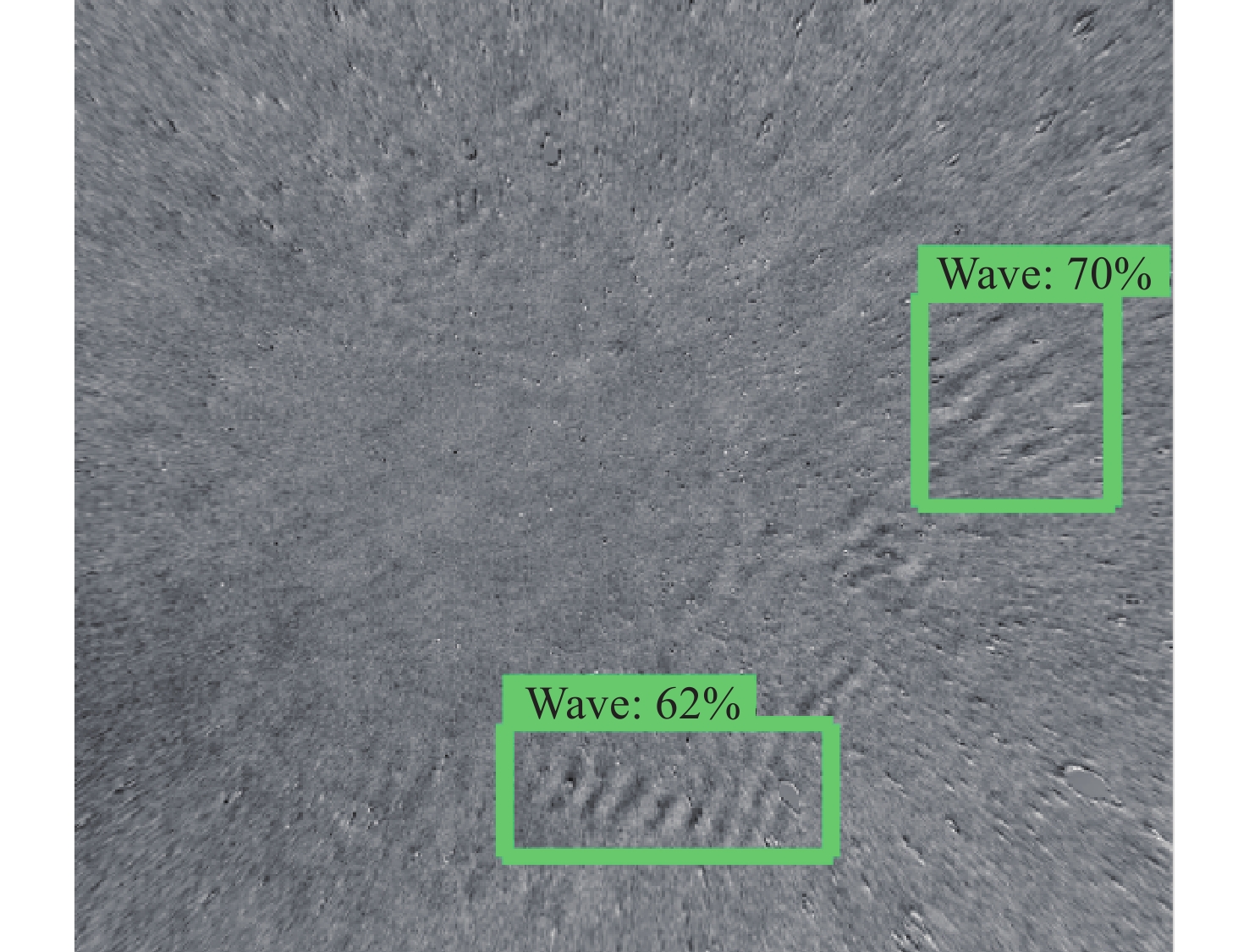
图 1 AGW的识别 (绿框为识别区域, 百分数为置信度)
Figure 1. Identification of AGW (The green box is the detection area, and the percentage is the confidence score)
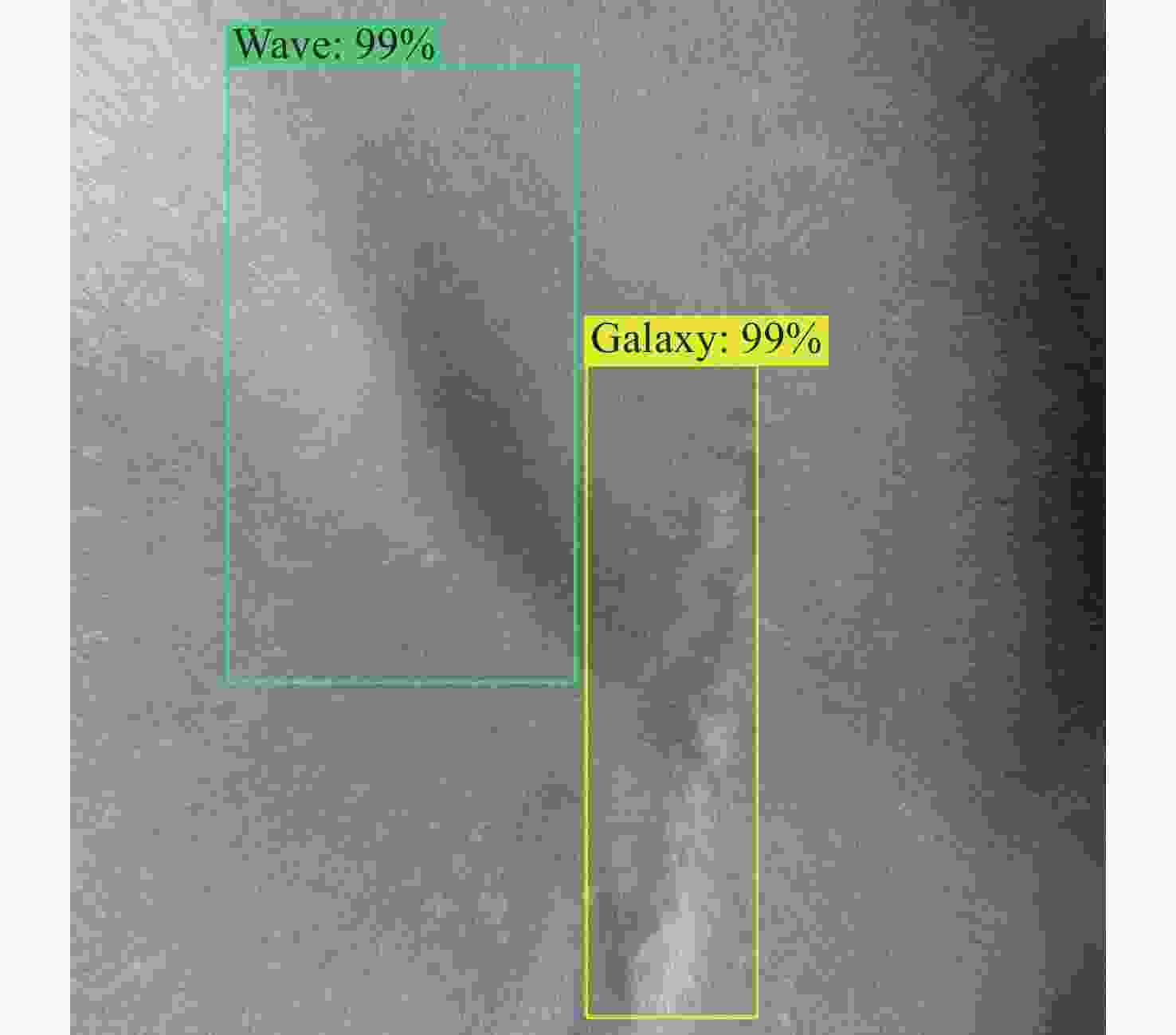
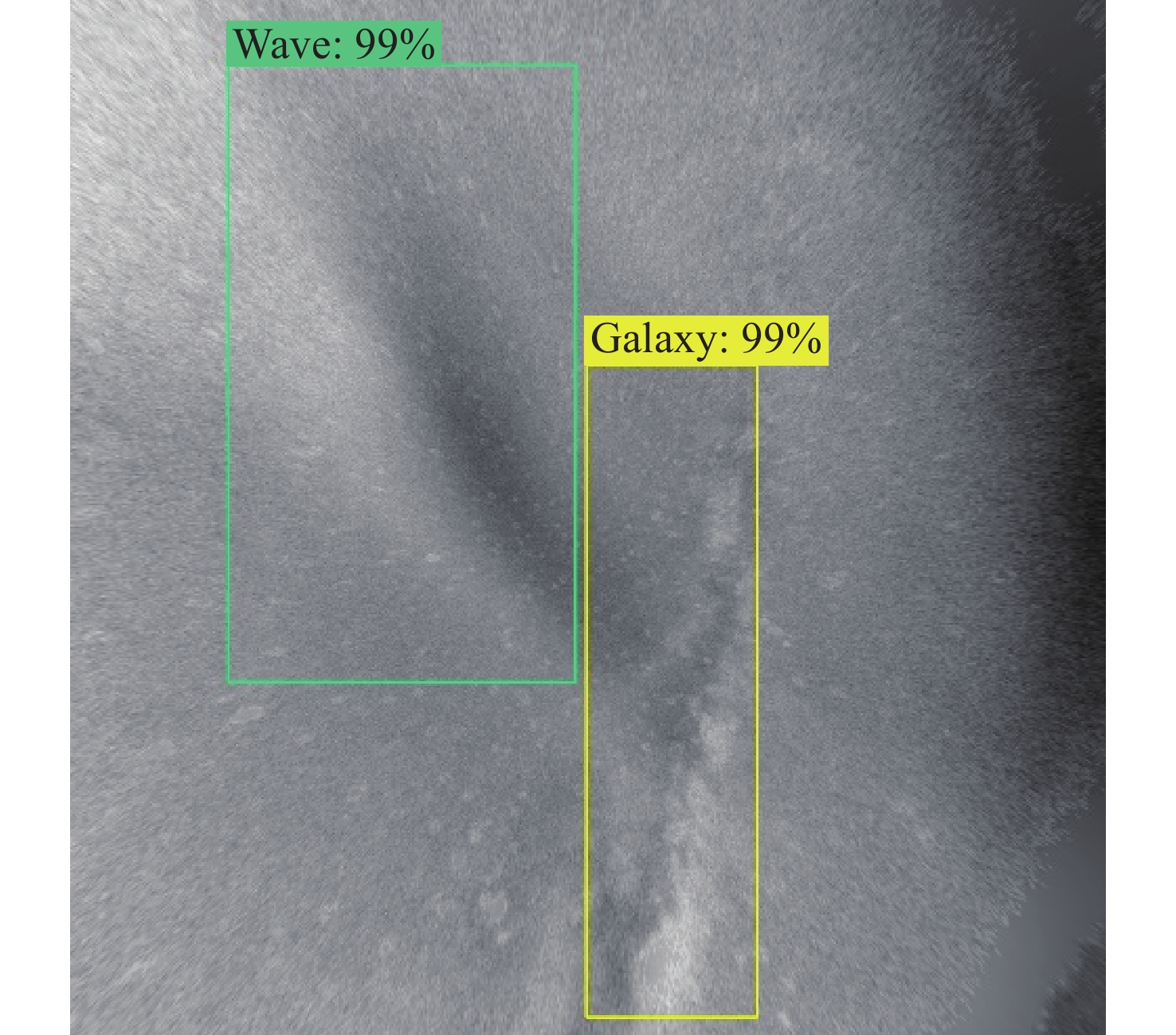
图 2 MSTID (绿框)与银河 (黄框) 的识别
Figure 2. Identification of MSTID (green) and galaxy (yellow)
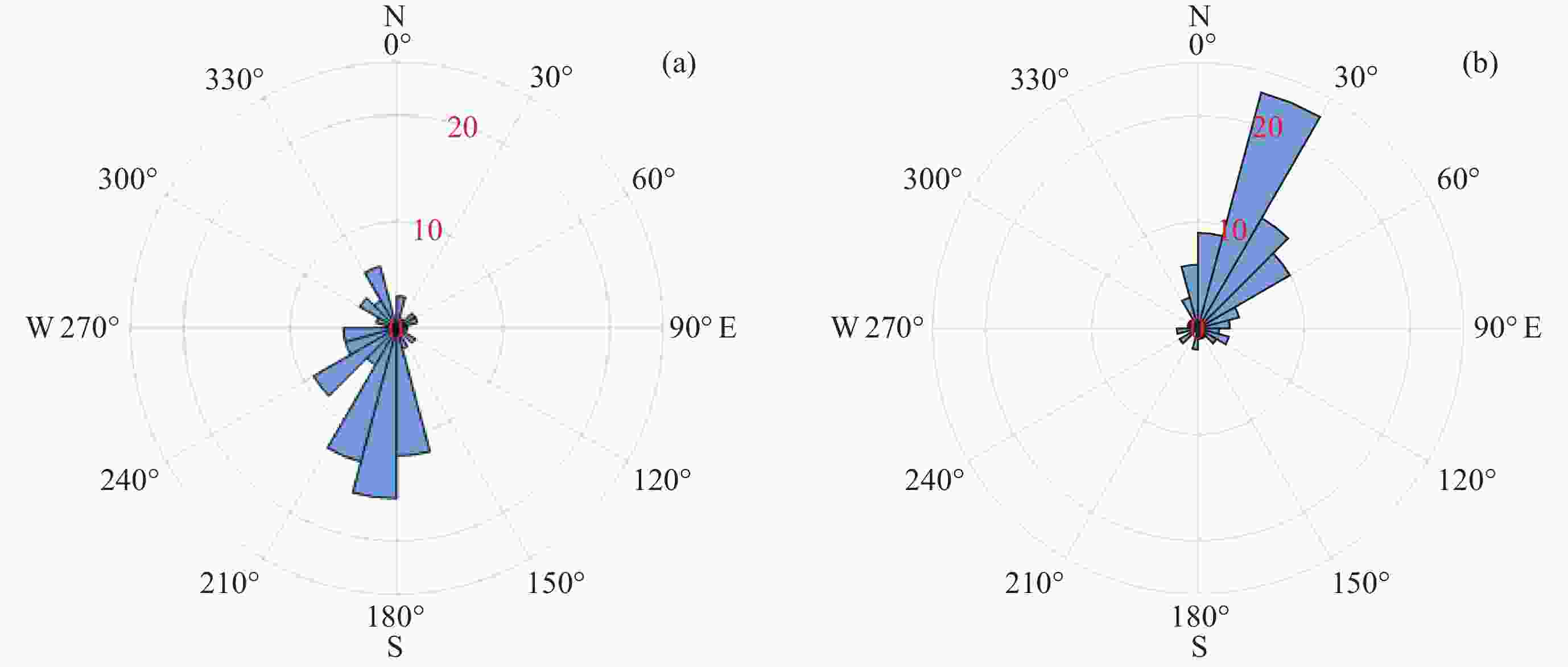
图 4 丹东台站冬夏季AGW传播方向统计 (红色数字为事件个数)
Figure 4. Statistical analysis of AGW propagation directions at Dandong station during winter and summer (Red numbers indicate the number of AGW events)
表 1 AGW分类模型输出文本说明
Table 1. Description of output text from the AGW classification model
示例行 含义说明 proj_yyyymmddhhmmss_LQu408_7_8658_60000_B1_G3.png a 图像文件名 + 环境分类符 yyyymmddhhmmss 图像拍摄时间, 精确到秒 LQu 图像采集站点 (例如“临朐”) a 环境分类结果  下载: 导出CSV
表 2 AGW识别模型输出文本说明
Table 2. Description of output text from the AGW detection model
字段示例 含义说明 LQu 观测站点 (临朐) 20140127223747 拍摄时间, 精确到秒 [x11 y11 x12 y12] 第一个识别框的左上角与右下角坐标 0.9998467 第一个识别框的置信度 [x21 y21 x22 y22] 第二个识别框 (若有) 0.0001094 第二个识别框的置信度 a 环境分类结果
下载: 导出CSV
表 3 MSTID波动参数名说明
Table 3. MSTID parameter name description
序号 参数名 说明 1 Speed 水平速率 2 Speed_angle 角速度 3 Angle 速度方向 4 Intensity 相对强度 5 Absolute_intensity 绝对强度 6 Background_mean_value 背景均值 7 Wavelength 波长 8 Score 置信度
下载: 导出CSV
-
[1] FRITTS D C. Gravity wave saturation in the middle atmosphere: a review of theory and observations[J]. Reviews of Geophysics, 1984, 22(3): 275-308 doi: 10.1029/RG022i003p00275 [2] FRITTS D C, ALEXANDER M J. Gravity wave dynamics and effects in the middle atmosphere[J]. Reviews of Geophysics, 2003, 41(1): 1003 [3] SUZUKI S, SHIOKAWA K, OTSUKA Y, et al. Gravity wave momentum flux in the upper mesosphere derived from OH airglow imaging measurements[J]. Earth, Planets and Space, 2007, 59(5): 421-428 doi: 10.1186/BF03352703 [4] ICHIHARA A, NISHITANI N, OGAWA T, et al. Northward-propagating nighttime medium-scale traveling ionospheric disturbances observed with SuperDARN Hokkaido HF radar and GEONET[J]. Advances in Polar Science, 2013, 24(1): 42-49 doi: 10.3724/sp.j.1085.2013.00042 [5] ERN M, TRINH Q T, PREUSSE P, et al. GRACILE: a comprehensive climatology of atmospheric gravity wave parameters based on satellite limb soundings[J]. Earth System Science Data, 2018, 10(2): 857-892 doi: 10.5194/essd-10-857-2018 [6] MANDAL S, PALLAMRAJU D, KARAN D K, et al. On deriving gravity wave characteristics in the daytime upper atmosphere using radio technique[J]. Journal of Geophysical Research: Space Physics, 2019, 124(8): 6985-6997 doi: 10.1029/2019JA026723 [7] GÜNZKOFER F, POKHOTELOV D, STOBER G, et al. Inferring neutral winds in the ionospheric transition region from Atmospheric-Gravity-Wave Traveling-Ionospheric-Disturbance (AGW-TID) observations with the EISCAT VHF radar and the Nordic Meteor Radar Cluster[C]//Special Issue on the Joint 20th International EISCAT Symposium and 15th International Workshop on Layered Phenomena in the Mesopause Region. Eskilstuna, Sweden: Copernicus Publications, 2023 [8] BATISTA P P, TAKAHASHI H, GOBBI D, et al. First airglow all sky images at 23° S[J]. Advances in Space Research, 2000, 26(6): 925-928 doi: 10.1016/S0273-1177(00)00031-4 [9] LI Q Z, YUSUPOV K, AKCHURIN A, et al. First OH airglow observation of mesospheric gravity waves over European Russia region[J]. Journal of Geophysical Research: Space Physics, 2018, 123(3): 2168-2180 doi: 10.1002/2017JA025081 [10] STEFANELLO M B, MUELLA M T A H, AMORIM D C M, et al. OI 630.0 nm all-sky image observations of medium-scale traveling ionospheric disturbances at geomagnetic conjugate points[J]. Journal of Atmospheric and Solar-Terrestrial Physics, 2015, 128: 58-69 doi: 10.1016/j.jastp.2015.03.012 [11] 王赤, 徐寄遥, 刘立波, 等. 国家重大科技基础设施子午工程在空间环境领域的亮点研究进展[J]. 中国科学: 地球科学, 2023, 66(7): 1423-1438WANG C, XU J Y, LIU L B, et al. Contribution of the Chinese Meridian Project to space environment research: highlights and perspectives[J]. Science China Earth Sciences, 2023, 66(7): 1423-1438 [12] LI Q Z, XU J Y, GUSMAN A R, et al. Upper‐atmosphere responses to the 2022 Hunga Tonga–Hunga Ha’apai volcanic eruption via acoustic gravity waves and air–sea interaction[J]. Atmospheric Chemistry and Physics, 2024, 24(14): 8343-8361 doi: 10.5194/acp-24-8343-2024 [13] LI Q Z, XU J Y, LIU H L, et al. How do gravity waves triggered by a typhoon propagate from the troposphere to the upper atmosphere?[J]. Atmospheric Chemistry and Physics, 2022, 22(18): 12077-12091 doi: 10.5194/acp-22-12077-2022 [14] CLAUSEN L B N, NICKISCH H. Automatic classification of auroral images from the Oslo Auroral THEMIS (OATH) data set using machine learning[J]. Journal of Geophysical Research: Space Physics, 2018, 123(7): 5640-5647 doi: 10.1029/2018JA025274 [15] CHAKRABARTI S, PATGIRI D, RATHI R, et al. Optimizing a deep learning framework for accurate detection of the Earth’s ionospheric plasma structures from all-sky airglow images[J]. Advances in Space Research, 2024, 73(12): 5990-6005 doi: 10.1016/j.asr.2024.03.014 [16] ZHONG J, ZOU Z M, WU K, et al. Automatic detection and feature extraction of equatorial plasma bubbles from all‐sky airglow image based on machine learning[J]. Space Weather, 2025, 23(5): e2025SW004336 doi: 10.1029/2025SW004336 [17] LI Q, XU J, YUE J, et al. Statistical characteristics of gravity wave activities observed by an OH airglow imager at Xinglong, in northern China[J]. Annales Geophysicae, 2011, 29(8): 1401-1410 doi: 10.5194/angeo-29-1401-2011 [18] LAI C, YUE J, XU J Y, et al. Detection of large-scale concentric gravity waves from a Chinese airglow imager network[J]. Journal of Atmospheric and Solar-Terrestrial Physics, 2018, 171: 269-276 doi: 10.1016/j.jastp.2017.10.002 [19] LAI C, XU J Y, YUE J, et al. Automatic extraction of gravity waves from all-sky airglow image based on machine learning[J]. Remote Sensing, 2019, 11(13): 1516 doi: 10.3390/rs11131516 [20] LIN Z S, WANG Q Y, LAI C. Analysis of airglow image classification based on feature map visualization[J]. Applied Sciences, 2023, 13(6): 3671 doi: 10.3390/app13063671 [21] LIN T Y, MAIRE M, BELONGIE S, et al. Microsoft COCO: common objects in context[C]//Proceedings of the 13th European Conference on Computer Vision - ECCV 2014. Zurich: Springer, 2014: 740-755 [22] LAI C, LI W, XU J Y, et al. Extraction of quasi-monochromatic gravity waves from an airglow imager network[J]. Atmosphere, 2020, 11(6): 615 doi: 10.3390/atmos11060615 [23] LAI C, XU J Y, LIN Z S, et al. Statistical characteristics of nighttime medium‐scale traveling ionospheric disturbances from 10‐years of airglow observation by the machine learning method[J]. Space Weather, 2023, 21(5): e2023SW003430 doi: 10.1029/2023SW003430 [24] KIM Y H, LEE C S, CHUNG J K, et al. Seasonal variations of mesospheric gravity waves observed with an airglow all-sky camera at Mt. Bohyun, Korea (36°N)[J]. Journal of Astronomy and Space Sciences, 2010, 27(3): 181-188 doi: 10.5140/JASS.2010.27.3.181 [25] EJIRI M K, SHIOKAWA K, OGAWA T, et al. Statistical study of short-period gravity waves in OH and OI nightglow images at two separated sites[J]. Journal of Geophysical Research: Atmospheres, 2003, 108(D21): 4679 doi: 10.1029/2002jd002795 [26] LI H, ZHANG J, WANG W, et al. An observation of medium-scale traveling ionospheric disturbances by mid-latitude SuperDARN radars in Asia[J]. Journal of Geophysical Research: Space Physics, 2025 [27] HUANG F Q, DOU X K, LEI J H, et al. Statistical analysis of nighttime medium‐scale traveling ionospheric disturbances using airglow images and GPS observations over central China[J]. Journal of Geophysical Research: Space Physics, 2016, 121(9): 8887-8899 doi: 10.1002/2016JA022760 -
-

 下载:
下载:

计量
- 文章访问数: 1547
- HTML全文浏览量: 785
- PDF下载量: 123
-
被引次数:
0(来源:Crossref)
0(来源:其他)

