


地月空间频率资源利用现状及发展态势
doi: 10.11728/cjss2026.01.2025-0018 cstr: 32142.14.cjss.2025-0018
-
 李震 男, 1995年9月出生, 现为中国科学院国家空间科学中心工程师, 主要研究方向为地月空间频轨资源应用技术. E-mail: lizhen@nssc.ac.cn
 -
 姚秀娟 1977年8月出生, 博士研究生导师, 现为中国科学院国家空间科学中心研究员, 从事空间通信与频谱感知方面的研究工作. E-mail: yaoxj@nssc.ac.cn
作者简介:
通讯作者:
Current Status and Development Trend of Frequency Resource Utilization in Cislunar Space
-
摘要: 频率资源是支撑航天行业发展的核心战略资源之一, 随着作为国际热点的月球开发利用逐渐朝着规模化方向发展, 频率资源的需求愈发迫切. 然而, 在现有国际规则框架下, 可提供给月球规模化开发利用的频率资源非常有限, 供需矛盾日益加剧. 本文围绕国际地月空间频率资源申请现状、工程任务规划与实施情况开展系统性数据分析, 研究当前地月空间频率资源与SFCG (Space Frequency Coordination Group)月球区域频率划分建议的符合度, 分析地月空间频率资源的利用态势, 同时, 利用自主开发的频率兼容性仿真平台, 对国际上的典型任务进行了定量化干扰计算分析, 提出了后续地月空间探测、开发利用等领域的用频建议, 为相关工程任务的规范有序实施提供参考.Abstract: Frequency resources, as non-renewable strategic assets, play a vital role in supporting aerospace industry development. With lunar exploration and resource utilization emerging as a global priority, demand for cislunar frequency resources has evolved significantly. Originally serving limited exploratory missions and space research, these resources now face growing demands from large-scale projects including space infrastructure construction, in-situ resource extraction, and sustained manned/unmanned lunar operations. However, current international regulations severely constrain the availability of frequency resources for extensive lunar development, resulting in an increasingly acute supply-demand imbalance. Systematic analysis of space networks (frequency application data, including advance publication information, notification information, etc.) is conducted for the planning and on-orbit cislunar exploration missions, and a correlation between space networks and cislunar exploration missions is established. It is found that far more frequency resources are declared by China and the United States than by other countries, while declared assignments concentrate within S-band and X-band ranges. By studying the conformity of the declared frequency bands with the Space Frequency Coordination Group (SFCG) recommendation for lunar region frequency allocation, we find that more than 96% of the space networks listed in this paper contain at least one SFCG-recommended assignment, and the declared link types (such as earth-lunar orbit link, lunar surface-lunar orbit link, etc.) are also included in the SFCG recommendation. Based on calculations conducted on the self-developed frequency compatibility simulation platform, the quantitative interference analysis of typical lunar missions is carried out. The simulation result reflects that the co-band interference of the lunar orbit to the lunar surface link at the south pole of the moon is serious, and it is difficult to avoid the interference through spatial isolation. Based on the current space networks of cislunar frequency resources and quantitative simulation results, the follow-up suggestions for utilization of frequency resources in the fields of cislunar exploration, development and utilization are proposed, which provide a reference for the standardized and orderly implementation of future missions.
-
Key words:
- Cislunar space /
- Frequency resource /
- Frequency application /
- Interference analysis /
- Frequency planning
-
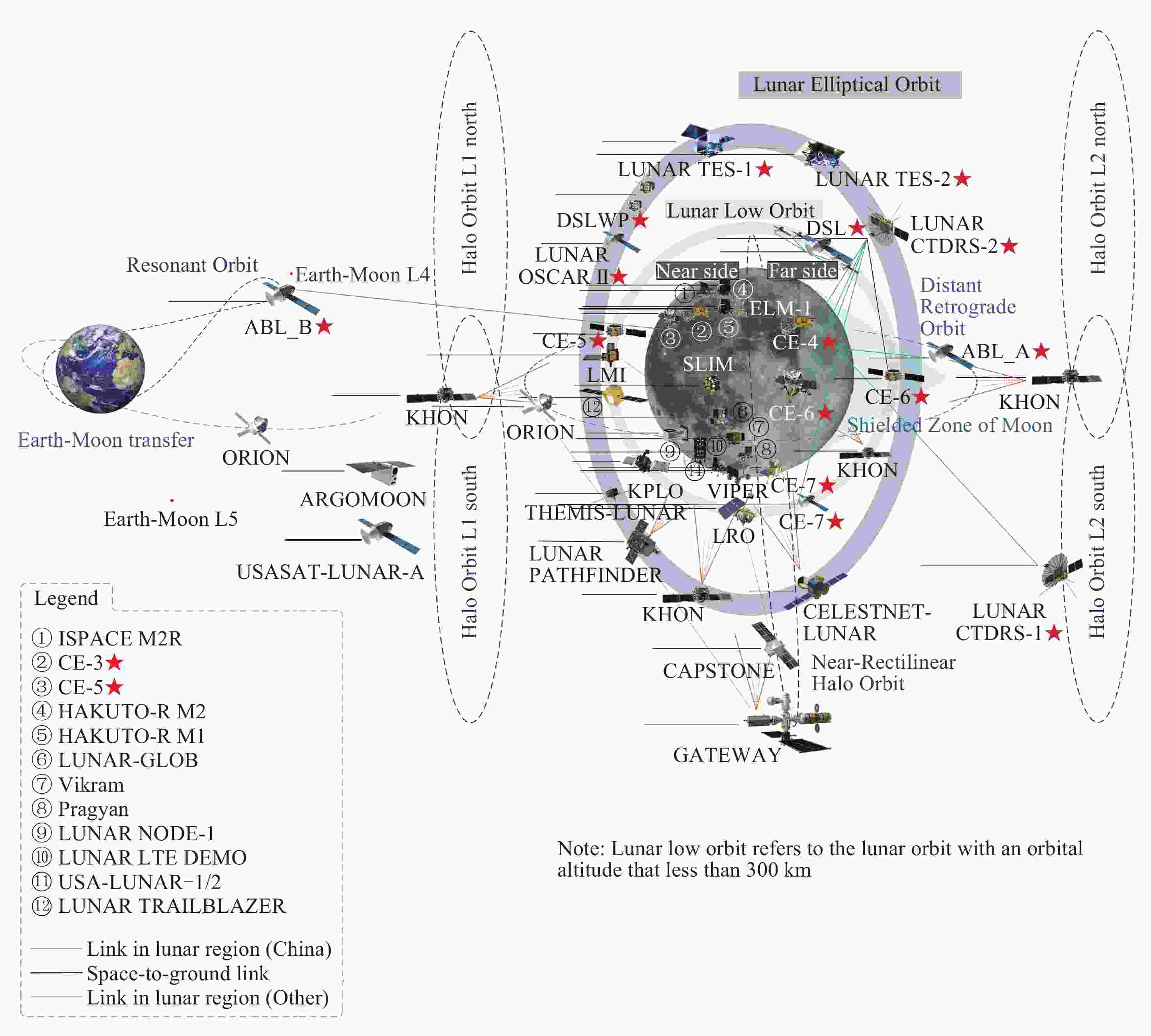
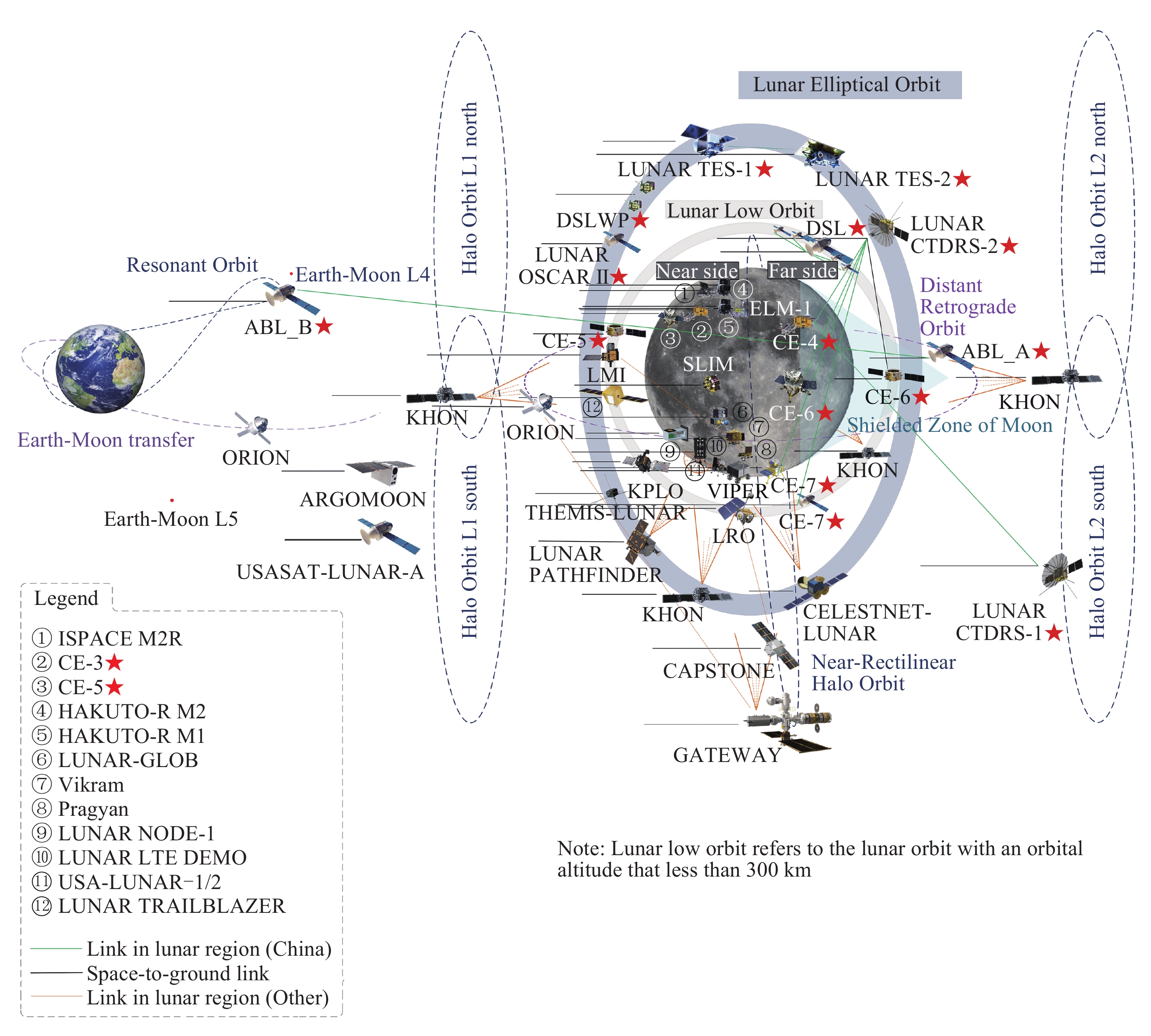
图 1 地月空间任务分布(截至BR IFIC 3035)
Figure 1. Distribution of the cislunar missions (as of BR IFIC 3035)
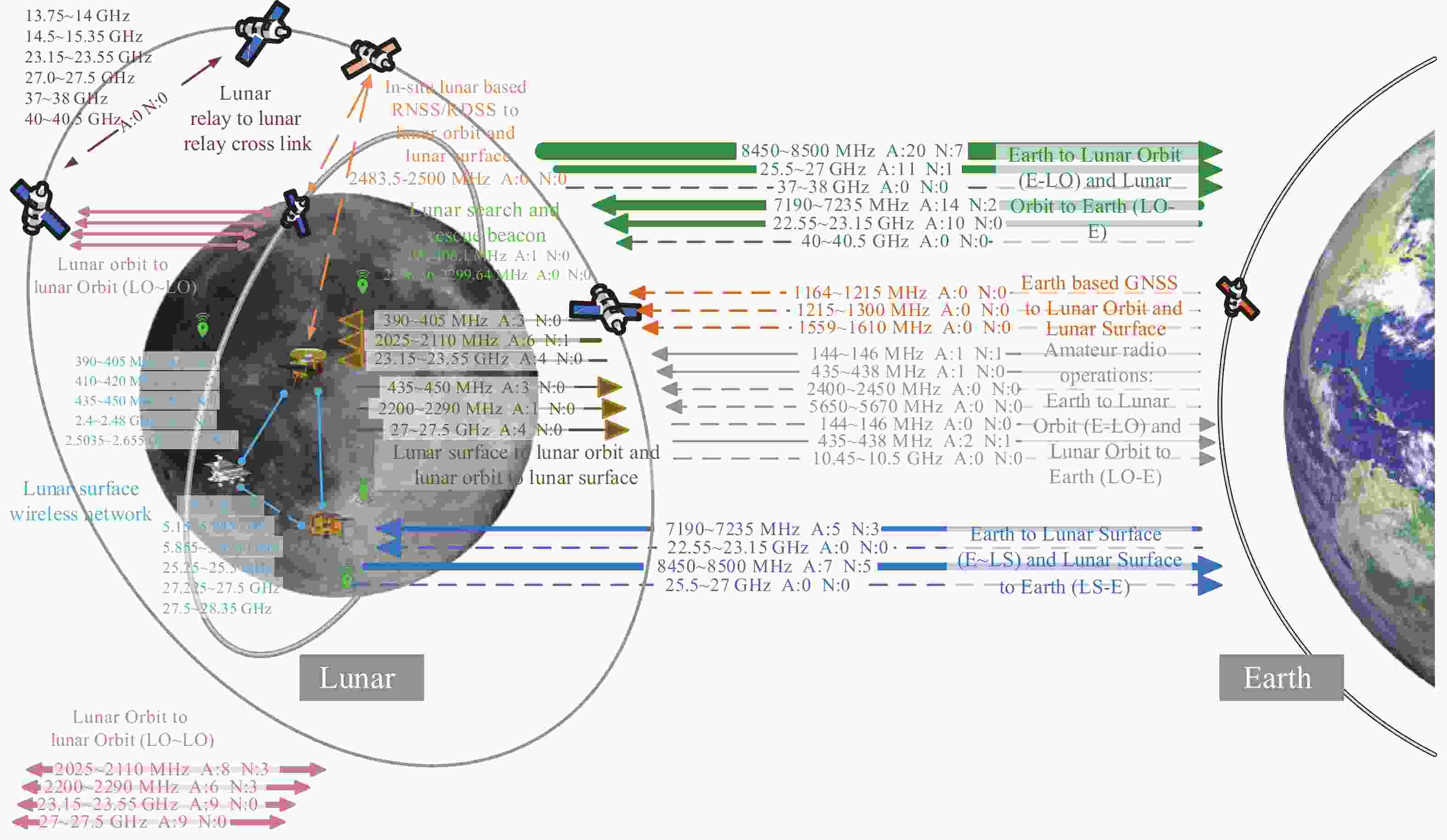
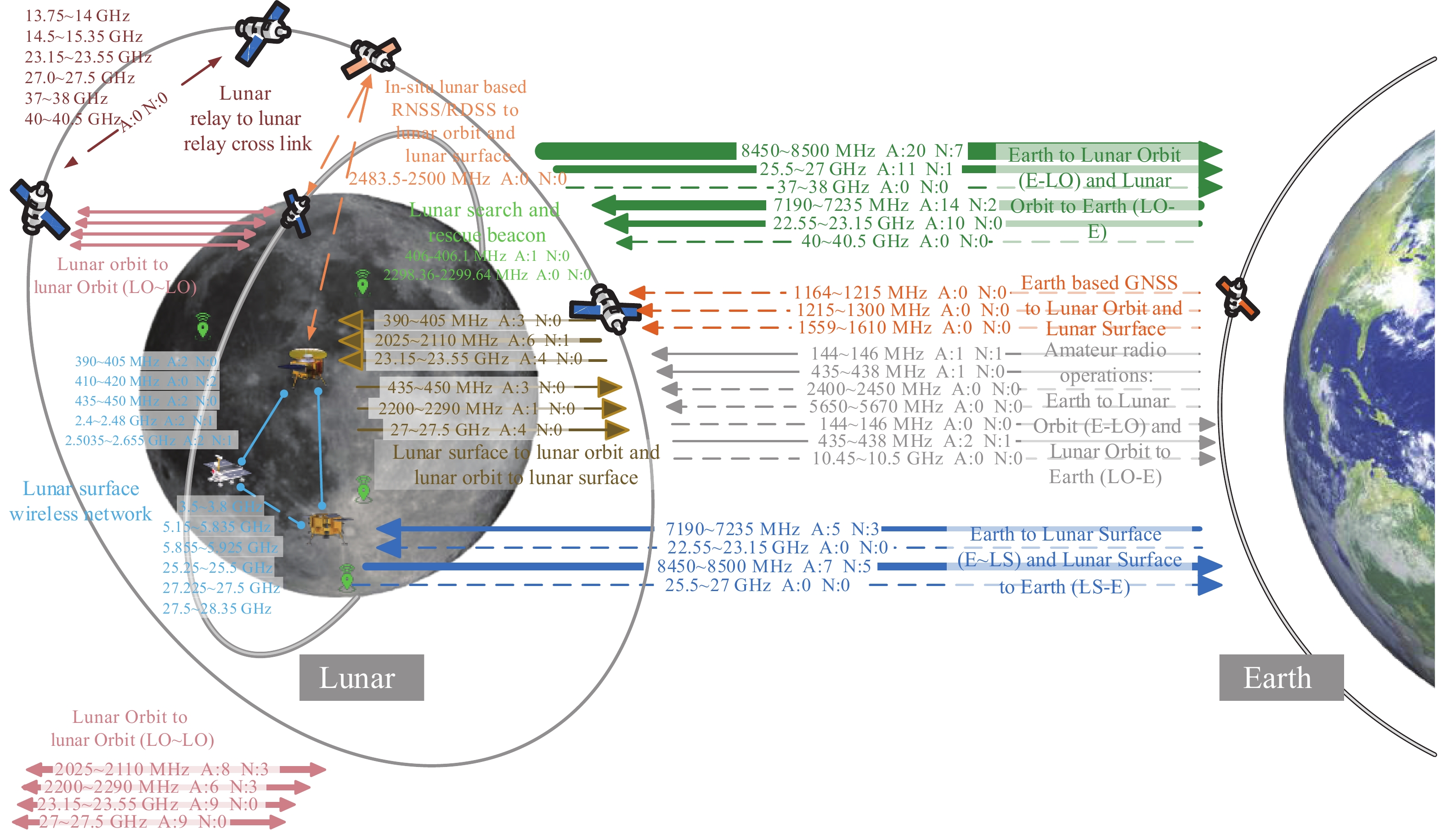
图 2 符合SFCG Rec 32-2 R6建议书的地月探索任务卫星网络资料统计
Figure 2. Satellite network data statistics for cislunar exploration missions in compliance with SFCG recommendation Rec 32-2 R6
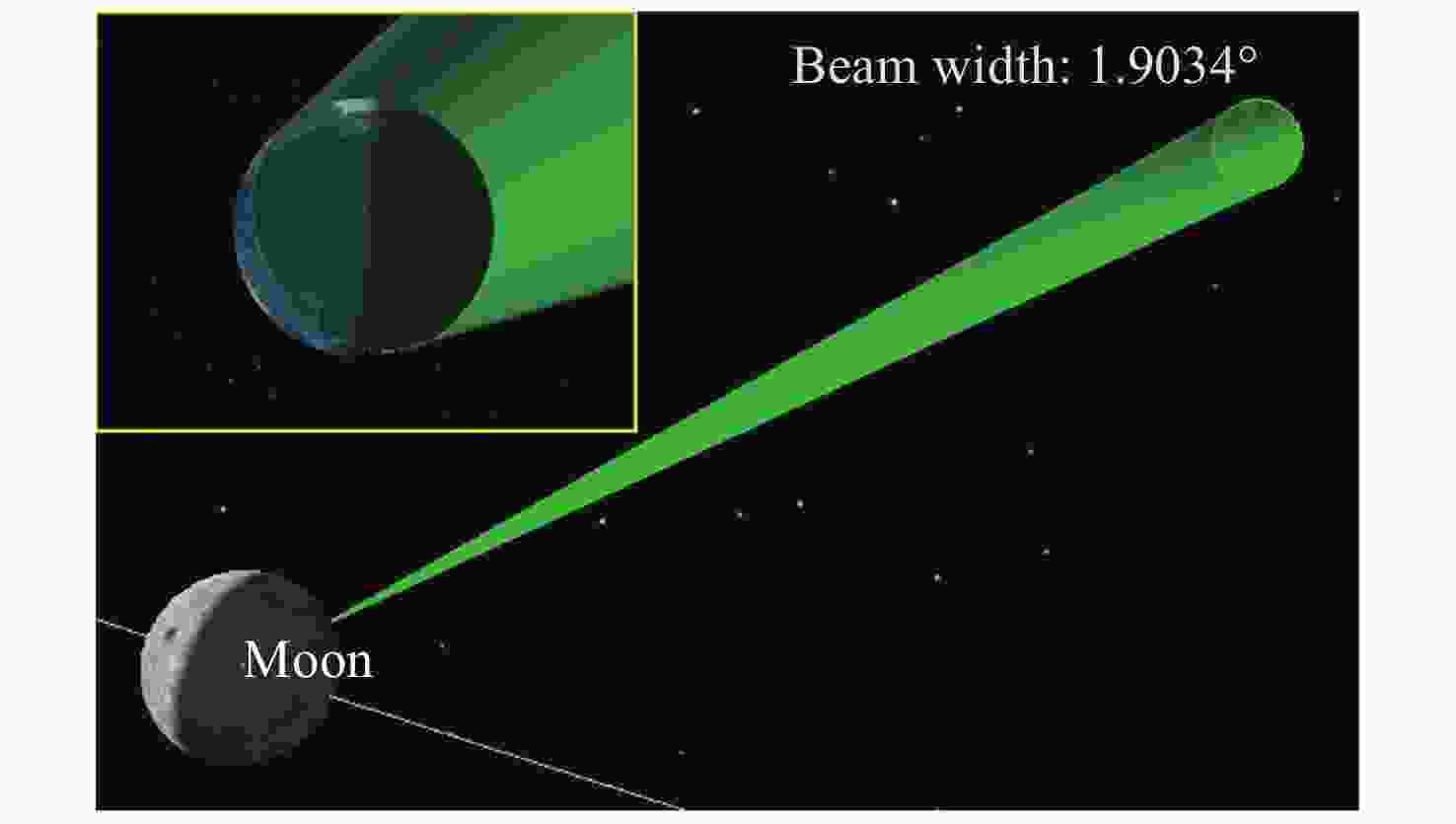
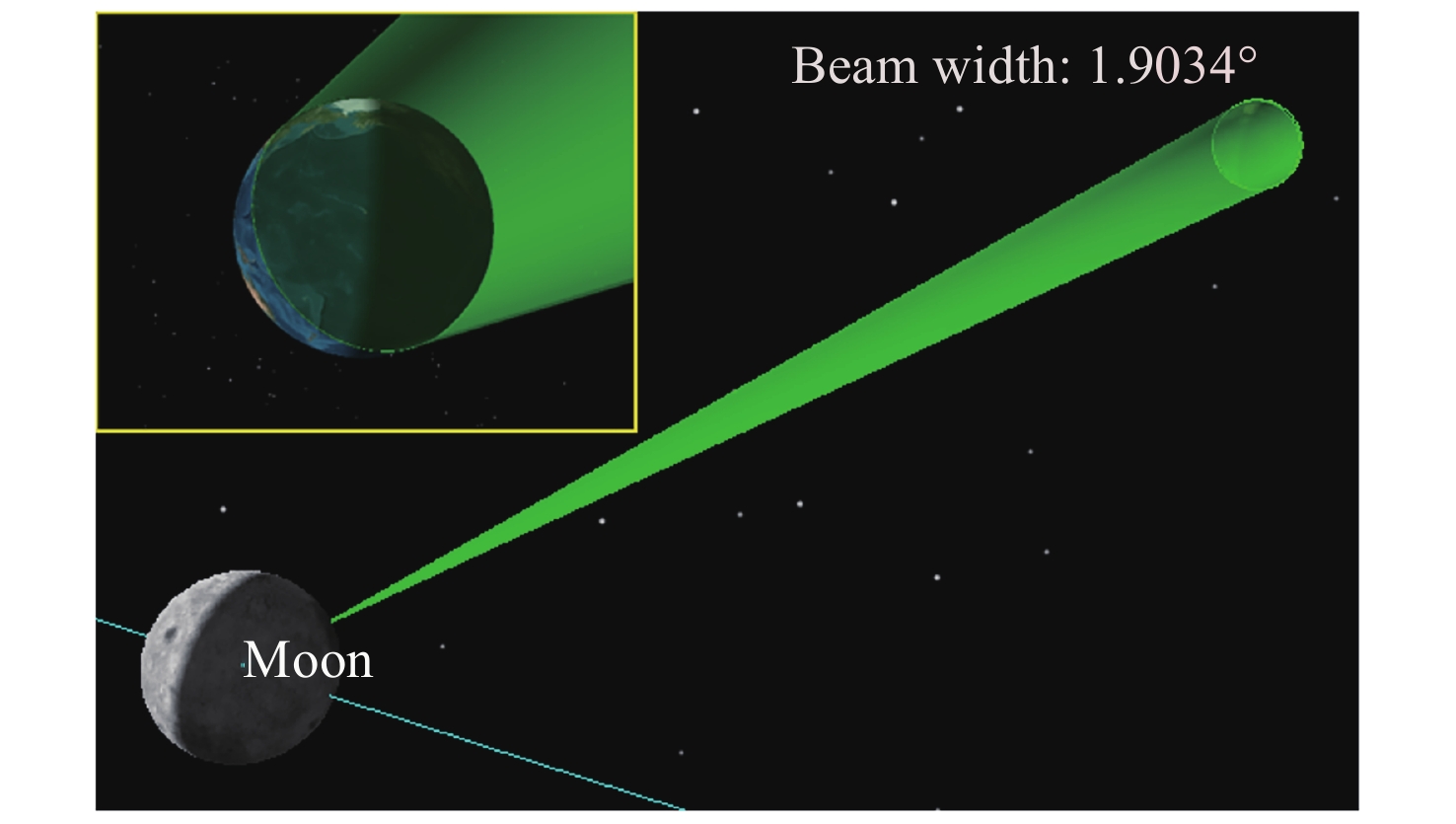
图 3 位于月球的无线电波束照射范围仿真
Figure 3. Simulation of the coverage range of radio beam on the Moon
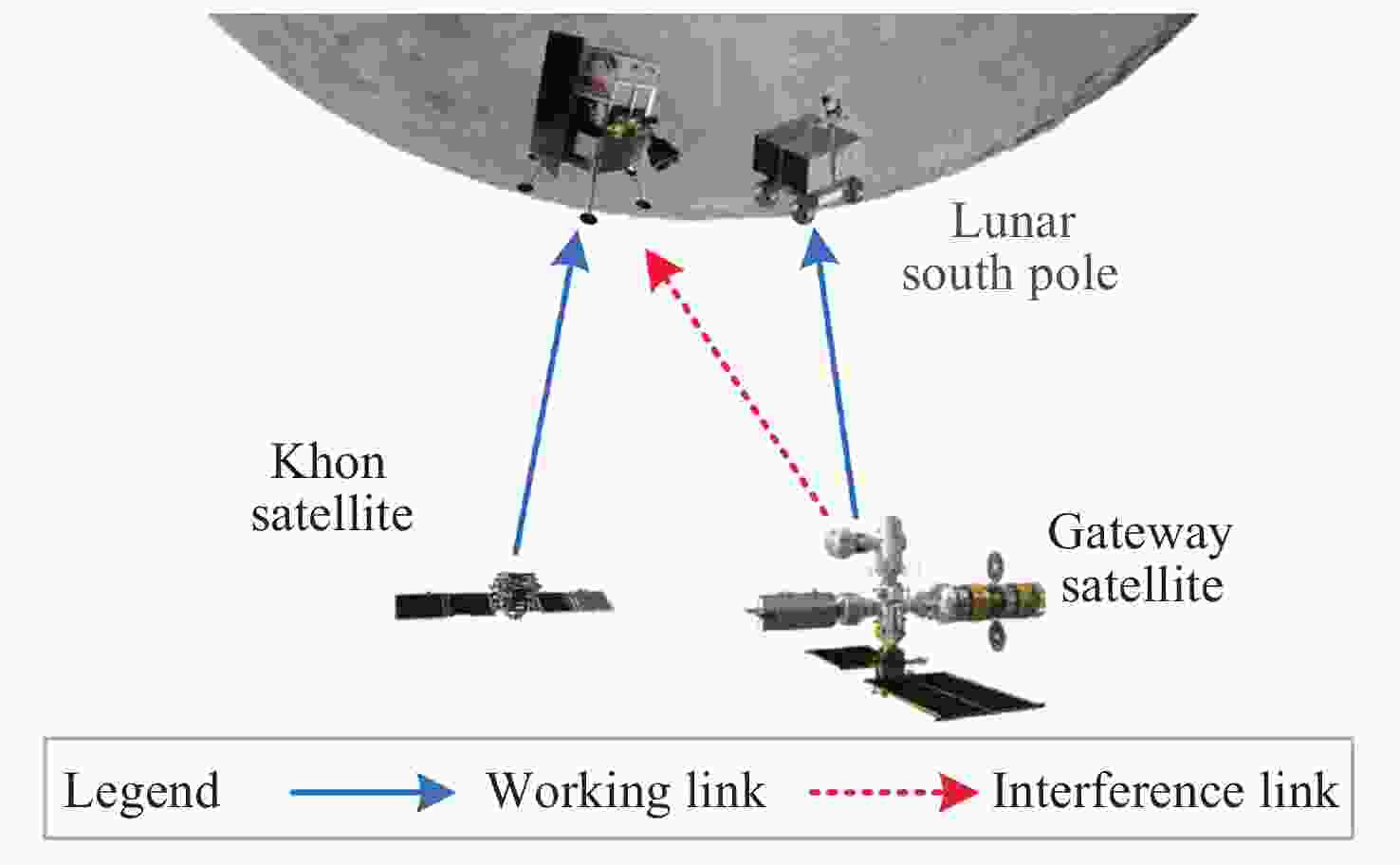
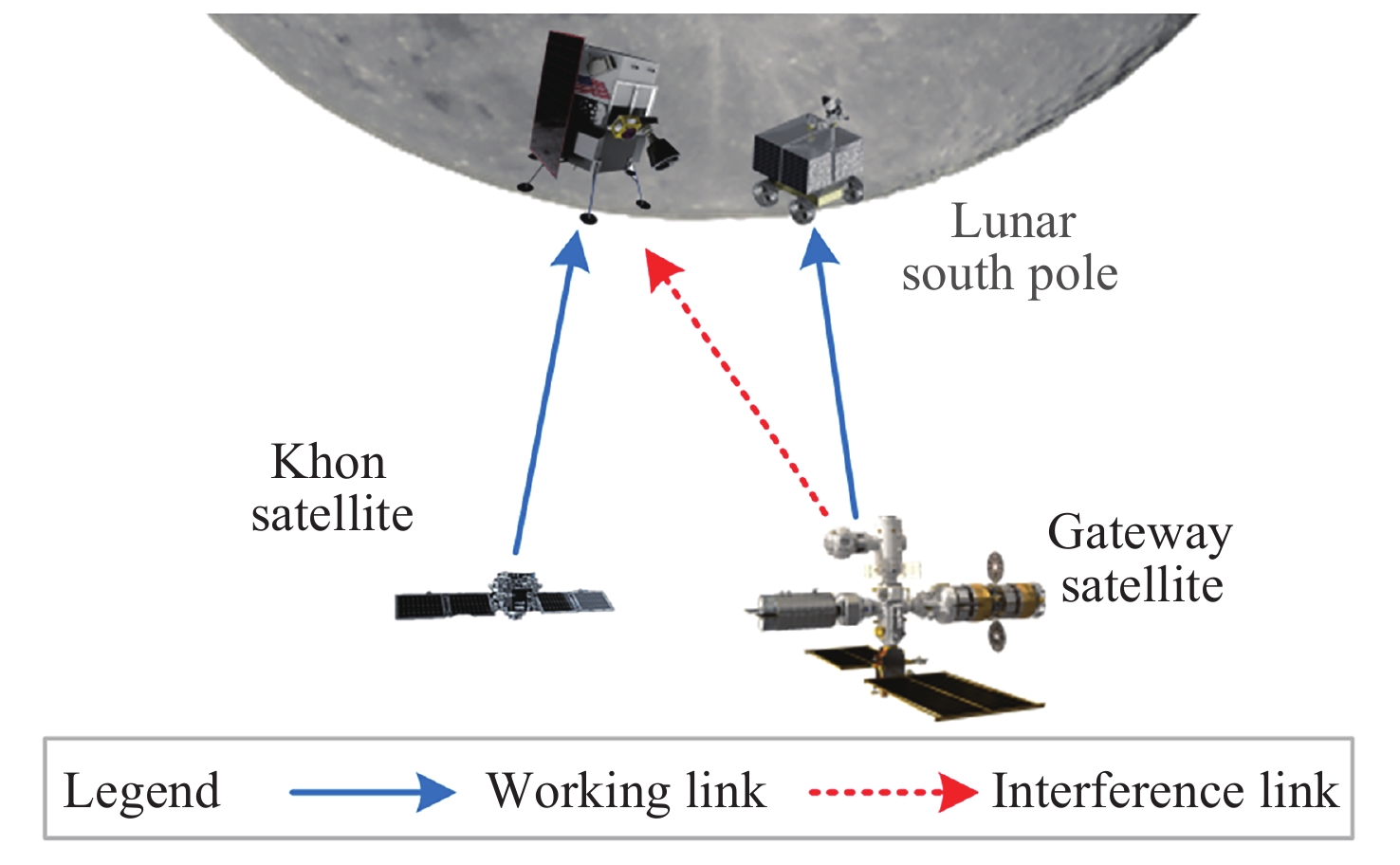
图 4 月球南极频率兼容分析场景模型
Figure 4. Frequency compatibility analysis scenario model of the lunar south pole
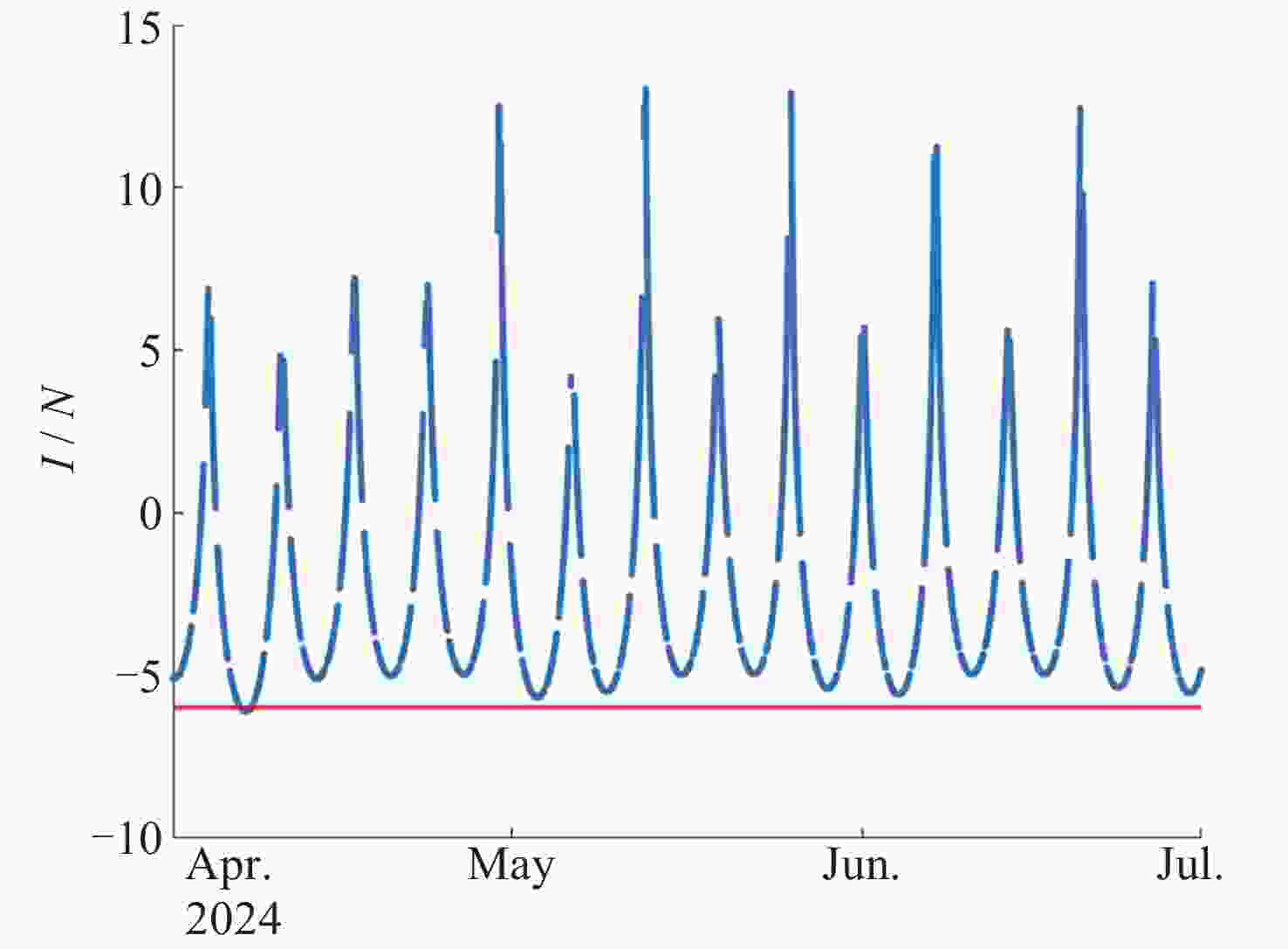
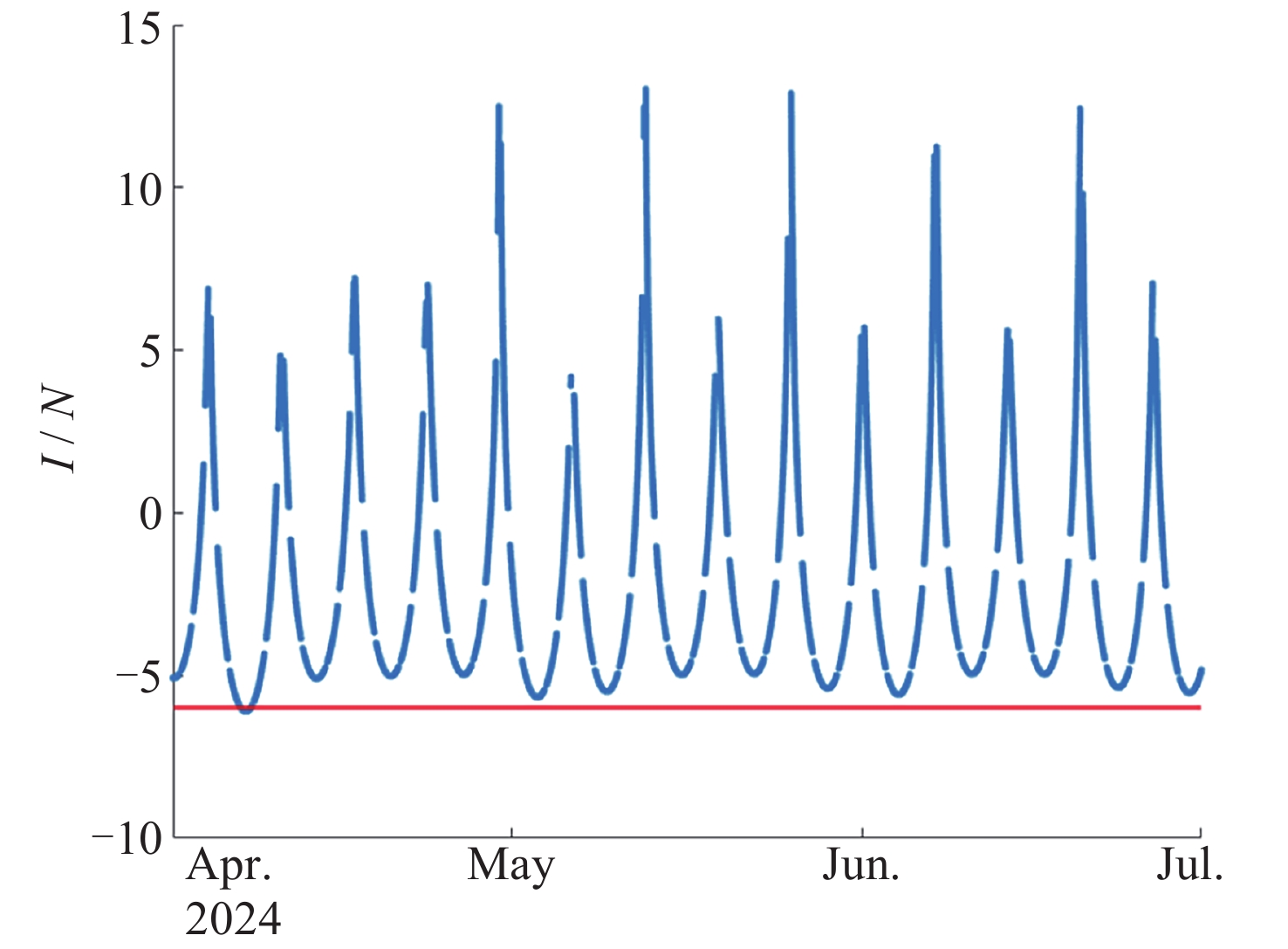
图 5 月轨–月表间典型任务的I/N仿真结果
Figure 5. Simulations of I/N for typical missions between lunar orbit and lunar surface
表 1 地月空间卫星网络资料申报与任务对应情况
Table 1. Correspondence of cislunar exploration missions and published space networks
国家 卫星网络资料名称 对应任务 中国 ABL_A, ABL_A_01, ABL_B, ABL_B_01 DRO探索任务 DSLWP 龙江卫星 CE-1, LUNAR CTDRS-1, LUNAR CTDRS-2, LUNAR KU-4 A,
LUNAR L2 KU-4 A, LUNAR LANDER, LUNAR LANDER-4 A,
LUNAR ORBITER-4 A, LUNAR ORBITER-A,
LUNAR ORBITER-B, LUNAR OSCAR II, LUNAR ROVER,
LUNAR S-SAT, LUNAR TES-1探月工程系列卫星 SPPOSS-PG-03 超长波天文观测阵列 美国 CAPSTONE CAPSTONE立方星 GATEWAY HALO 月球门户Gateway GATEWAY PPE LRO 月球勘测轨道器 LUNAR LTE DEMO 月球LTE/4 G通信实验 LUNAR NODE-1 LN-1月球节点1导航演示器 LUNAR TRAILBLAZER 月球开拓者 ORION 猎户座飞船 ORION MPCV ORION MPCV II THEMIS-LUNAR THEMIS-ARTEMIS 任务 USA-KHON-1 Intuitive Mechines中继星座 USA-LUNAR-1 Intuitive Mechines公司卫星网络资料 USA-LUNAR-2 USASAT-LUNAR-A - USASAT-LUNAR-B - VIPER 蝰蛇号月球车 英国 CELESTNET-LUNAR 太阳系互联网星座 IOMSAT-HAL - IOMSAT-L1 - LUNAR_PATHFINDER 月球探路者 SPACECOMMS-L1 - 意大利 ARGOMOON 阿尔戈之月纳米卫星 印度 LMI 月船二号 LMI3 月船三号 日本 HAKUTO-R-L1 白兔一号 SLIM_LEV-1-2 月球勘测智能着陆器 韩国 KPLO 探路者月球轨道航天器 俄罗斯 LUNA-GLOB 月球25号 阿联酋 ELM-1 拉希德月球车 卢森堡 ISPACE_M2 R 白兔二号Tenacious月球车 注 “-”表示尚未检索到对应任务.  下载: 导出CSV
表 2 地月空间卫星网络资料类型统计
Table 2. Statistics on categories of satellite networks in cislunar space
国家/联盟 卫星网络资料类型数量 去重复后卫星网络资料名称数量 A资料 C资料 N资料 共计 中国 17 0 6 23 20 美国 16 0 5 21 17 日本 2 0 1 3 2 印度 2 1 1 4 2 英国 5 0 0 5 5 意大利 1 0 1 2 1 韩国 1 0 1 2 1 俄罗斯 1 0 1 2 1 阿联酋 1 0 0 1 1 卢森堡 1 0 0 1 1 Artemis协定国 29 1 9 39 31 ILRS参与国 18 0 7 25 21
下载: 导出CSV
表 3 地月空间任务的卫星网络N资料收妥时间
Table 3. Date of receipt of notification satellite networks in cislunar space mission
国家 卫星网络资料名称 国际电信联盟收妥日期 中国 CE-1 2007-09-20 美国 THEMIS-LUNAR 2010-05-11 中国 LUNAR LANDER 2013-03-05 中国 LUNAR ROVER 2013-03-05 中国 DSLWP 2018-04-03 中国 LUNAR CTDRS-1 2019-09-05 中国 LUNAR S-SAT 2019-09-05 俄罗斯 LUNA-GLOB 2020-08-04 美国 ORION 2020-11-26 意大利 ARGOMOON 2020-12-23 美国 CAPSTONE 2021-07-09 美国 LRO 2021-07-09 美国 ORION MPCV 2021-08-06 韩国 KPLO 2021-10-12 印度 LMI 2022-08-11 日本 HAKUTO-R-L1 2022-10-10
下载: 导出CSV
表 4 地月空间卫星网络资料空间研究业务频段统计数据
Table 4. Statistical data of satellite networks in cislunar space for space research service frequency band
频段 频段区间/MHz 中国 美国 日本 印度 英国 意大利 韩国 俄罗斯 阿联酋 合计 A资料 L以下 400.15~401 3 - - - - - - - - 3 410~420 - - - - - - - - - 0 S 2025~2110 5 10 1 2 5 - 1 - 1 25 2200~2290 5 11 1 2 4 - 1 - 1 25 X 7190~7235 11 6 1 - 4 1 - - - 23 8450~8500 12 7 1 2 4 1 1 1 - 29 Ku 14800~15350 5 - - - - - - - - 5 Ka 22550~23150 7 2 - - 2 - - - - 11 25500~27000 8 2 - - 3 - - - - 13 Ka以上 37000~38000 - - - - 1 - - - - 1 40000~40500 - - - - 1 - - - - 1 N资料 L以下 400.15~401 - - - - - - - - - 0 410~420 2 - - - - - - - - 2 S 2025~2110 4 5 - 1 - - 1 - - 11 2200~2290 4 5 - 1 - - 1 - - 11 X 7190~7235 3 1 1 - - 1 - - - 6 8450~8500 5 1 1 1 - 1 1 1 - 11 Ku 14800~15350 - - - - - - - - - 0 Ka 22550~23150 - - - - - - - - - 0 25500~27000 - 1 - - - - - - - 1 Ka以上 37000~38000 - - - - - - - - - 0 40000~40500 - - - - - - - - - 0
下载: 导出CSV
表 5 月球波束照射地球的面积特征参数
Table 5. Characteristic parameters of the lunar beam’s illuminated area on Earth
波束宽度/(°) 割面直径/km 所截球面弧长/km 所截球冠面积/km2 所截球冠占地球表面积百分比/(%) 0.05 329.5 329.5 8.53×10⁴ 0.017 0.1 1318.3 1320.6 1.37×10⁶ 0.27 0.5 3297.3 3335.2 8.69×10⁶ 1.70 1 6607 6945.1 3.70×10⁷ 7.23 1.5 9949.2 11412 9.56×10⁷ 18.71 1.9034 12753 19754 2.50×10⁸ 48.89
下载: 导出CSV
-
[1] 裴照宇, 刘继忠, 王倩, 等. 月球探测进展与国际月球科研站[J]. 科学通报, 2020, 65(24): 2577-2586 doi: 10.1360/TB-2020-0582PEI Zhaoyu, LIU Jizhong, WANG Qian, et al. Overview of lunar exploration and international lunar research station[J]. Chinese Science Bulletin, 2020, 65(24): 2577-2586 doi: 10.1360/TB-2020-0582 [2] 包为民, 汪小卫. 地月空间探索与开发的思考[J]. 宇航学报, 2022, 43(6): 705-712 doi: 10.3873/j.issn.1000-1328.2022.06.001BAO Weimin, WANG Xiaowei. Some thoughts about cislunar exploration and exploitation[J]. Journal of Astronautics, 2022, 43(6): 705-712 doi: 10.3873/j.issn.1000-1328.2022.06.001 [3] JONES A. Europe launches ambitious “Moonlight” program to support lunar exploration[EB/OL]. (2024-10-17)[2024-11-15]. https://www.space.com/europe-moonlight-program-lunar-navigation-communications [4] 吴季. 月基对地观测的特点与应用潜力分析[J]. 空间科学学报, 2024, 44(6): 965-969 doi: 10.11728/cjss2024.06.2024-0116WU Ji. Lunar based Earth observation and its potential applications[J]. Chinese Journal of Space Science, 2024, 44(6): 965-969 doi: 10.11728/cjss2024.06.2024-0116 [5] 王赤, 林杨挺, 裴照宇, 等. 月球科研站的关键科学问题[J]. 中国科学基金, 2022, 36(6): 830-840 doi: 10.16262/j.cnki.1000-8217.2022.06.004WANG Chi, LIN Yangting, PEI Zhaoyu, et al. Key scientific questions related to the lunar research station[J]. Bulletin of National Natural Science Foundation of China, 2022, 36(6): 830-840 doi: 10.16262/j.cnki.1000-8217.2022.06.004 [6] 杨孟非, 彭兢, 李炯卉, 等. 地月空间基础设施体系架构与发展设想[J]. 中国空间科学技术, 2024, 44(3): 1-14 doi: 10.16708/j.cnki.1000-758X.2024.0034YANG Mengfei, PENG Jing, LI Jionghui, et al. Architecture and development envision of cislunar space infrastructure[J]. Chinese Space Science and Technology, 2024, 44(3): 1-14 doi: 10.16708/j.cnki.1000-758X.2024.0034 [7] 丛佃伟, 吴富梅, 李崇辉, 等. 地月空间航天器自主导航技术及研究进展[J]. 无线电工程, 2025, 55(2): 317-322 doi: 10.3969/j.issn.1003-3106.2025.02.011CONG Dianwei, WU Fumei, LI Chonghui, et al. Autonomous navigation technology and research advances of cislunar space spacecraft[J]. Radio Engineering, 2025, 55(2): 317-322 doi: 10.3969/j.issn.1003-3106.2025.02.011 [8] 乔梁, 李承昊, 王善澎, 等. 地月云网: 跨域融合一体的地月空间网络[J]. 中国空间科学技术, 2024, 44(3): 43-50 doi: 10.16708/j.cnki.1000-758X.2024.0037QIAO Liang, LI Chenghao, WANG Shanpeng, et al. Cislunar cloud network: the cross-domain integrated cislunar-spatial network[J]. Chinese Space Science and Technology, 2024, 44(3): 43-50 doi: 10.16708/j.cnki.1000-758X.2024.0037 [9] 潘冀, 石会鹏, 张晓燕, 等. 卫星频率轨道资源国际申报与协调[M]. 北京: 人民邮电出版社, 2024PAN Ji, SHI Huipeng, ZHANG Xiao Yan, et al. Satellite Frequency and Orbital Resources International Declaration and Coordination [M]. Beijing: People’s Posts and Telecommunications Press, 2024 [10] NASA. What is BioSentinel[EB/OL]. (2024-11-20)[2025-01-02]. https://www.nasa.gov/centers-and-facilities/ames/what- is-biosentinel/ [11] NASA. Cube quest challenge spotlight: team miles[EB/OL]. (2017-05-18)[2025-01-02]. https://www.nasa.gov/centers-and-facilities/marshall/cube-quest-challenge-spotlight-team-miles/ [12] JONES A. Senegal among new members of China’s ILRS moon base project[EB/OL]. (2024-09-05)[2025-01-10]. https://spacenews.com/senegal-among-new-members-of-chinas-ilrs-moon-base-project/ [13] NASA. The Artemis accords[EB/OL]. (2025-02-11)[2025-02-12]. https://www.nasa.gov/specials/artemis-accords/ [14] NASA. LunaNet interoperability specification[EB/OL]. (2022-09-12)[2025-01-10]. https://www.nasa.gov/directorates/somd/space-communications-navigation-program/lunanet-interoperability-specification/ [15] 周文艳, 高珊, 刘德成, 等. 月球极区探测轨道设计[J]. 深空探测学报(中英文), 2020, 7(3): 248-254 doi: 10.15982/j.issn.2095-7777.2020.20191109004ZHOU Wenyan, GAO Shan, LIU Decheng, et al. Orbit design for lunar polar region exploration[J]. Journal of Deep Space Exploration, 2020, 7(3): 248-254 doi: 10.15982/j.issn.2095-7777.2020.20191109004 [16] NASA. LunaNet overview[EB/OL]. (2022-06-08)[2024-12-29]. https://www.nasa.gov/humans-in-space/lunanet-empowering-artemis-with-communications-and-navigation-interoperability/ -
-

 下载:
下载:

计量
- 文章访问数: 1420
- HTML全文浏览量: 591
- PDF下载量: 155
-
被引次数:
0(来源:Crossref)
0(来源:其他)

