GE Jian,
CHEN Wen,
CHEN Yonghe,
SONG Zongxi,
WANG Jian,
ZHANG Hui,
LI Yan,
ZANG Weicheng,
ZHOU Dan,
ZHANG Yongshuai,
CHEN Kun,
YANG Yingquan,
MAO Shude,
HUANG Chelsea,
YAO Xinyu,
LI Xinglong,
JIANG Haijiao,
YU Yong,
TANG Zhenghong,
DONG Feng,
GAO Wei,
ZHANG Hongfei,
SHEN Chao,
WANG Fengtao,
WEI Chuanxin,
YANG Baoyu,
LI Yudong,
WEN Lin,
ZHANG Pengjun,
ZHANG Congcong,
XIE Jiwei,
MA Bo,
DENG Hongping,
LIU Huigen,
DUAN Xuliang,
WANG Haoyu,
HUANG Jiangjiang,
GAO Yang,
WANG Yifei,
WANG Lei,
QIN Genjian,
LIU Xinyu,
GAO Jie
2024, 44(3): 400-424.
doi: 10.11728/cjss2024.03.yg05
Abstract:
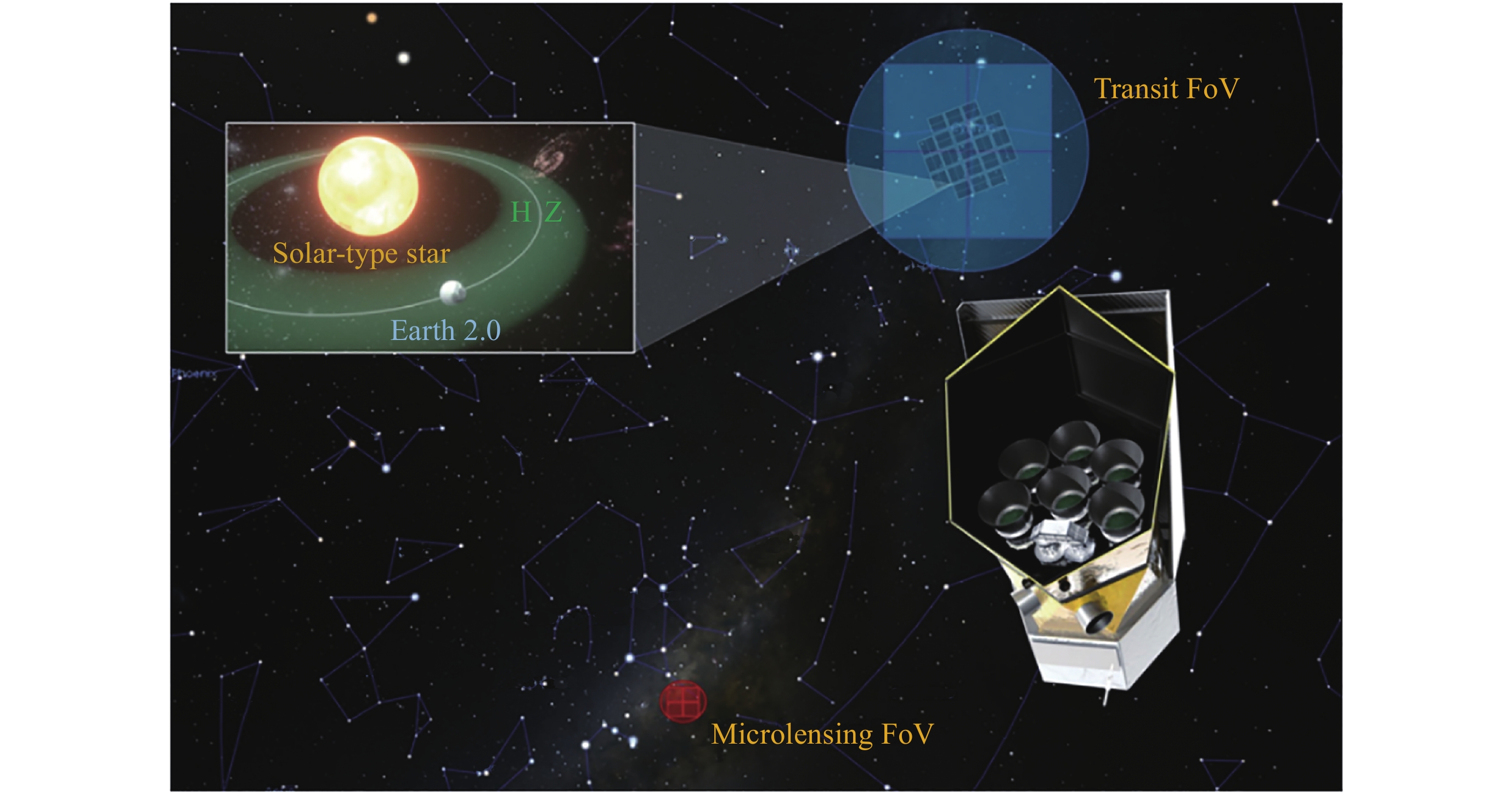
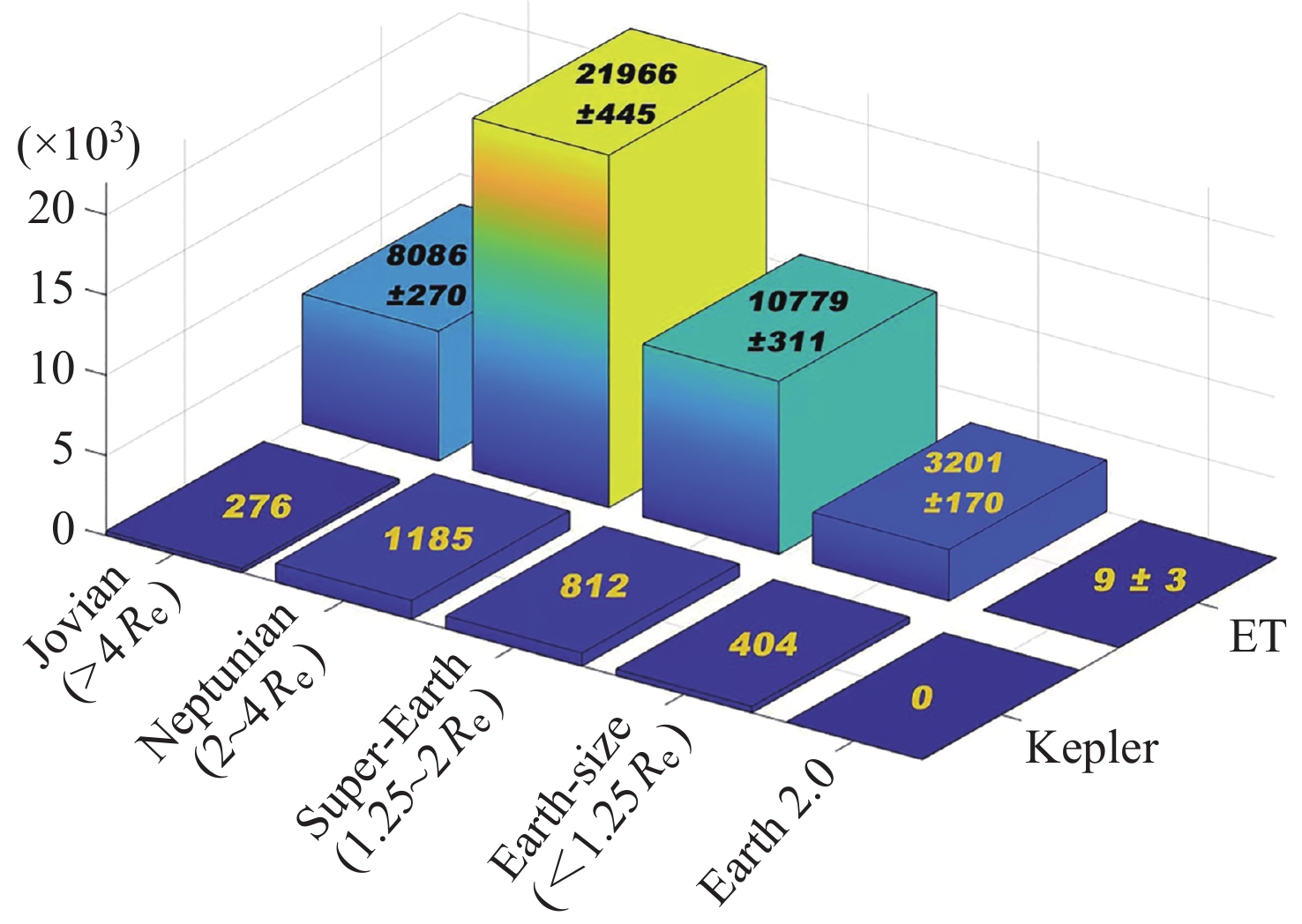
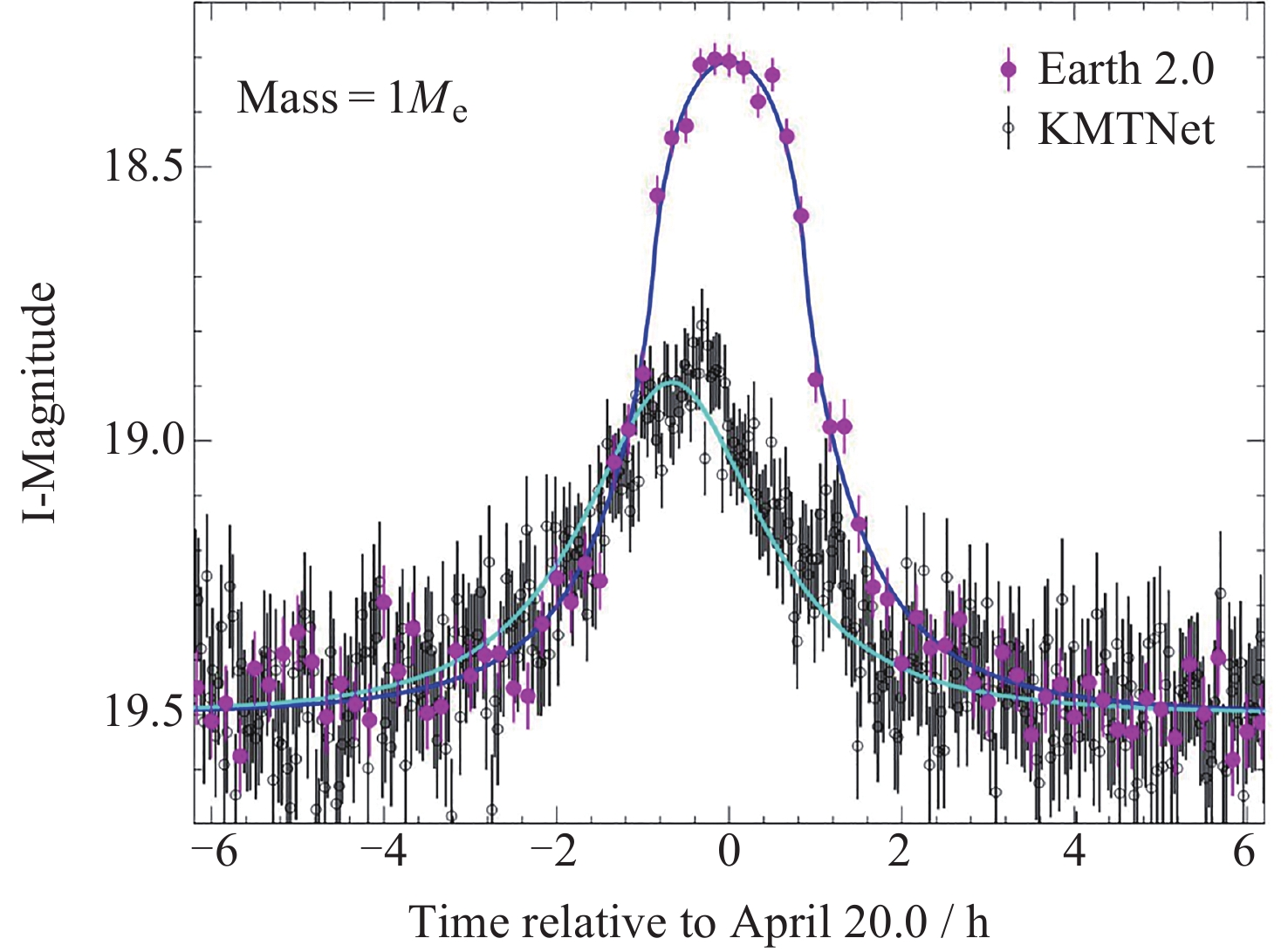
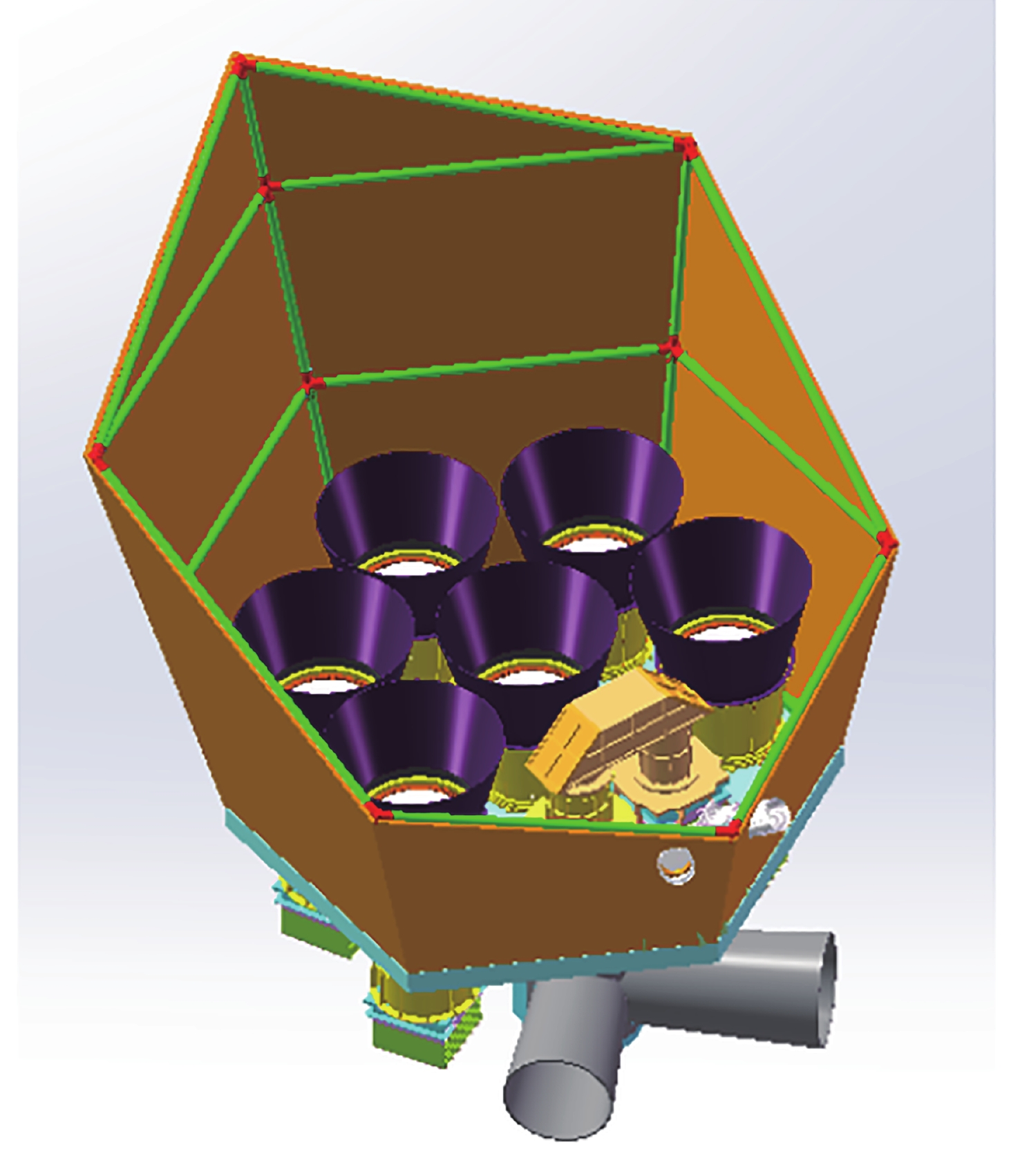
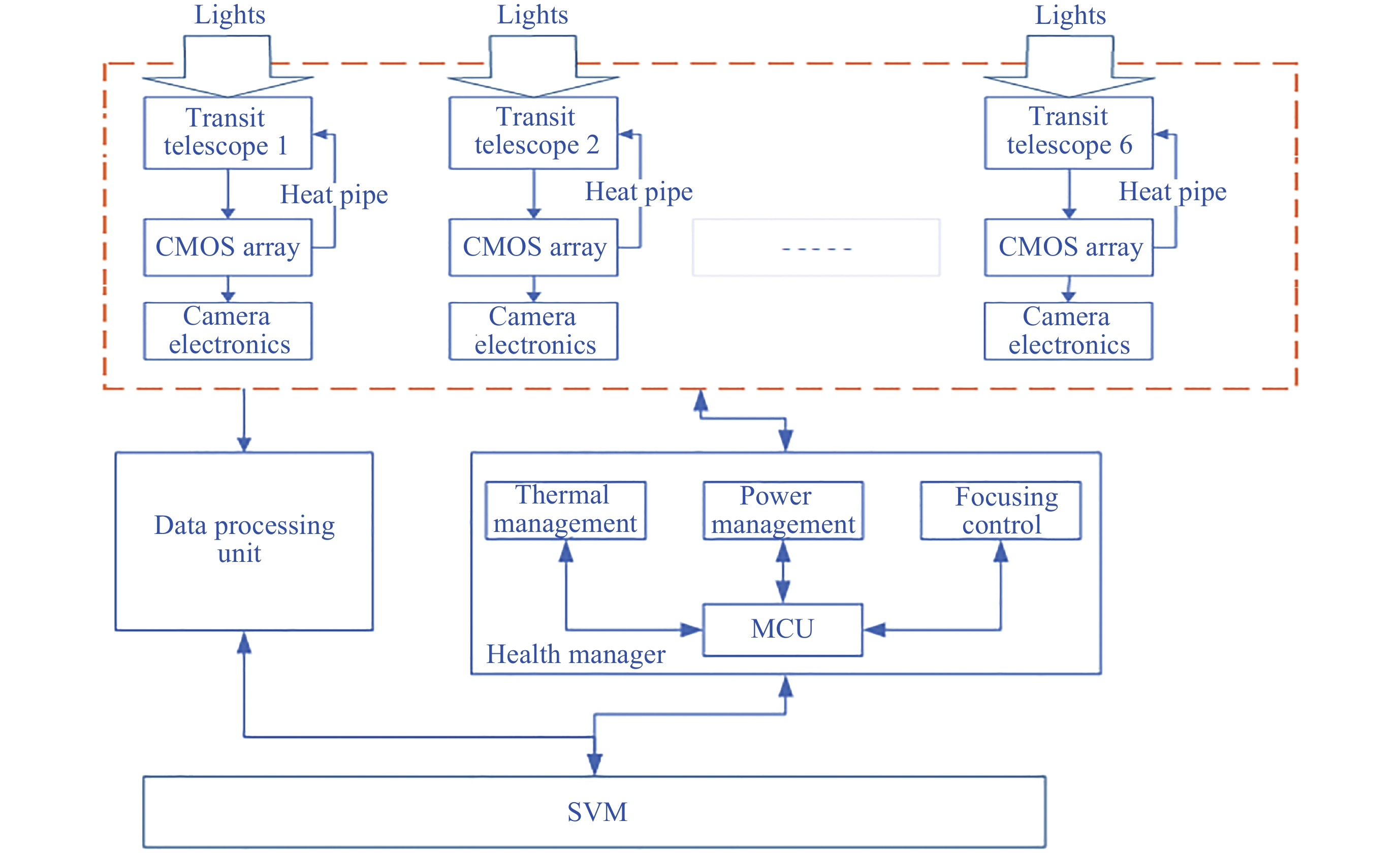
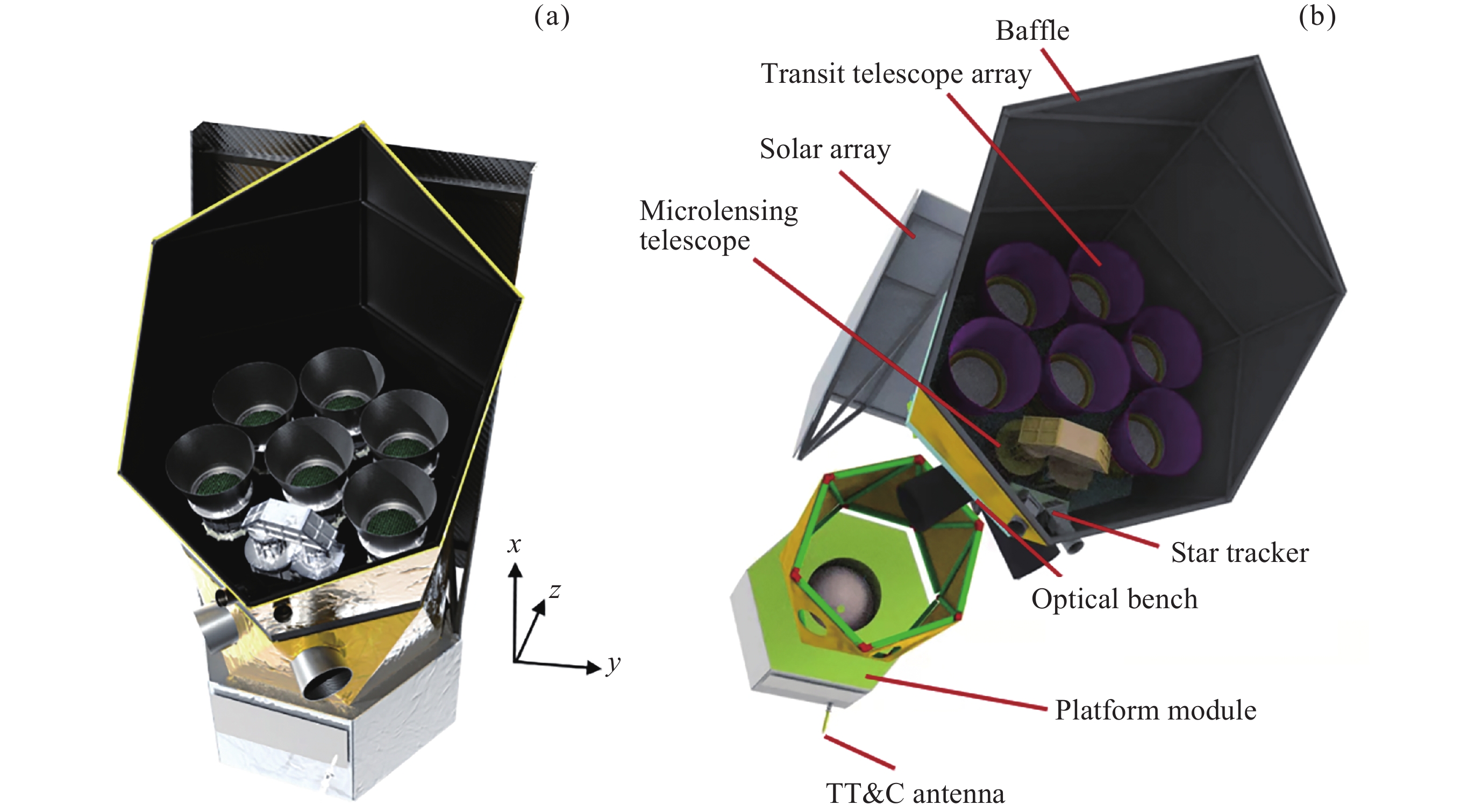
The Earth 2.0 (ET) mission will pioneer the international breakthrough in the frontier scientific issue of the existence and evolution of Earth 2.0s (or exo-Earths) in the origin of life by adopting the key technology of ultra-high precision photometry with a large field of view in space. The ET mission will deploy a space observatory consisting of six wide-field transit telescopes and one micro-lensing telescope in a halo orbit at the Sun-Earth Lagrange L2 point. Combining transit and micro-lensing methods, utilizing the ultra-large field of view and ultra-high precision optical photometry observations in space, the ET mission will for the first time discover historically significant Earth 2.0s and determine their occurrence rate. It will conduct the first large-scale survey of terrestrial-like and free-floating planets, discover free-floating Earth-mass planets and measure their occurrence rates, reveal the origins of Earth-like and free-floating planets, and provide candidates and new directions for the search for extraterrestrial life. The observational results, statistical studies, and theoretical tests of the ET mission will answer pressing frontier scientific questions such as “How common are Earth-like planets in the universe”, “How do Earth-like planets form and evolve” and “How do free-floating planets originate”. Follow-up observations of the Earth 2.0 samples discovered by the ET mission will precisely measure their mass, density, and atmospheric composition, contributing to an in-depth study of their habitability characteristics. Moreover, the study of the large number of various exoplanet samples newly discovered by ET, as well as tests of theories, will promote a deeper understanding of the formation and evolution of these types of planets. ET’s abundant high-precision, high-cadence, and long-baseline photometric data will advance research in fields such as asteroseismology, Galactic archaeology, time-domain astronomy, binary stars, and binary black holes.
GE Jian, CHEN Wen, CHEN Yonghe, SONG Zongxi, WANG Jian, ZHANG Hui, LI Yan, ZANG Weicheng, ZHOU Dan, ZHANG Yongshuai, CHEN Kun, YANG Yingquan, MAO Shude, HUANG Chelsea, YAO Xinyu, LI Xinglong, JIANG Haijiao, YU Yong, TANG Zhenghong, DONG Feng, GAO Wei, ZHANG Hongfei, SHEN Chao, WANG Fengtao, WEI Chuanxin, YANG Baoyu, LI Yudong, WEN Lin, ZHANG Pengjun, ZHANG Congcong, XIE Jiwei, MA Bo, DENG Hongping, LIU Huigen, DUAN Xuliang, WANG Haoyu, HUANG Jiangjiang, GAO Yang, WANG Yifei, WANG Lei, QIN Genjian, LIU Xinyu, GAO Jie. Search for a Second Earth – the Earth 2.0 (ET) Space Mission (in Chinese). Chinese Journal of Space Science, 2024, 44(3): 400-424. doi: 10.11728/cjss2024.03.yg05.